
Many people hold inaccurate beliefs about dementia care, from assuming memory loss is a normal part of aging to thinking dementia patients can’t enjoy meaningful activities. These misconceptions can lead to inadequate care and unnecessary frustration for both caregivers and seniors living with dementia. Understanding the truth behind these myths is essential for providing compassionate, effective support to a senior loved one with dementia.
Is Memory Loss Just a Normal Part of Aging?
No, memory loss isn’t a normal part of aging. While it’s common for older adults to experience occasional forgetfulness, dementia involves significant cognitive decline that interferes with daily life. Dementia is caused by specific diseases, most commonly Alzheimer’s disease, which damage brain cells and impair memory, thinking, and behavior. Recognizing the difference between normal aging and dementia symptoms is crucial for early diagnosis and intervention.
Are People with Dementia No Longer Able to Enjoy Life?
Absolutely not. People with dementia can still experience joy, connection, and meaningful moments. With the right support and environment, they can:
- Participate in activities they enjoy, such as music, art, or gardening
- Maintain relationships with loved ones
- Engage in sensory experiences that bring comfort and pleasure
- Express emotions and preferences
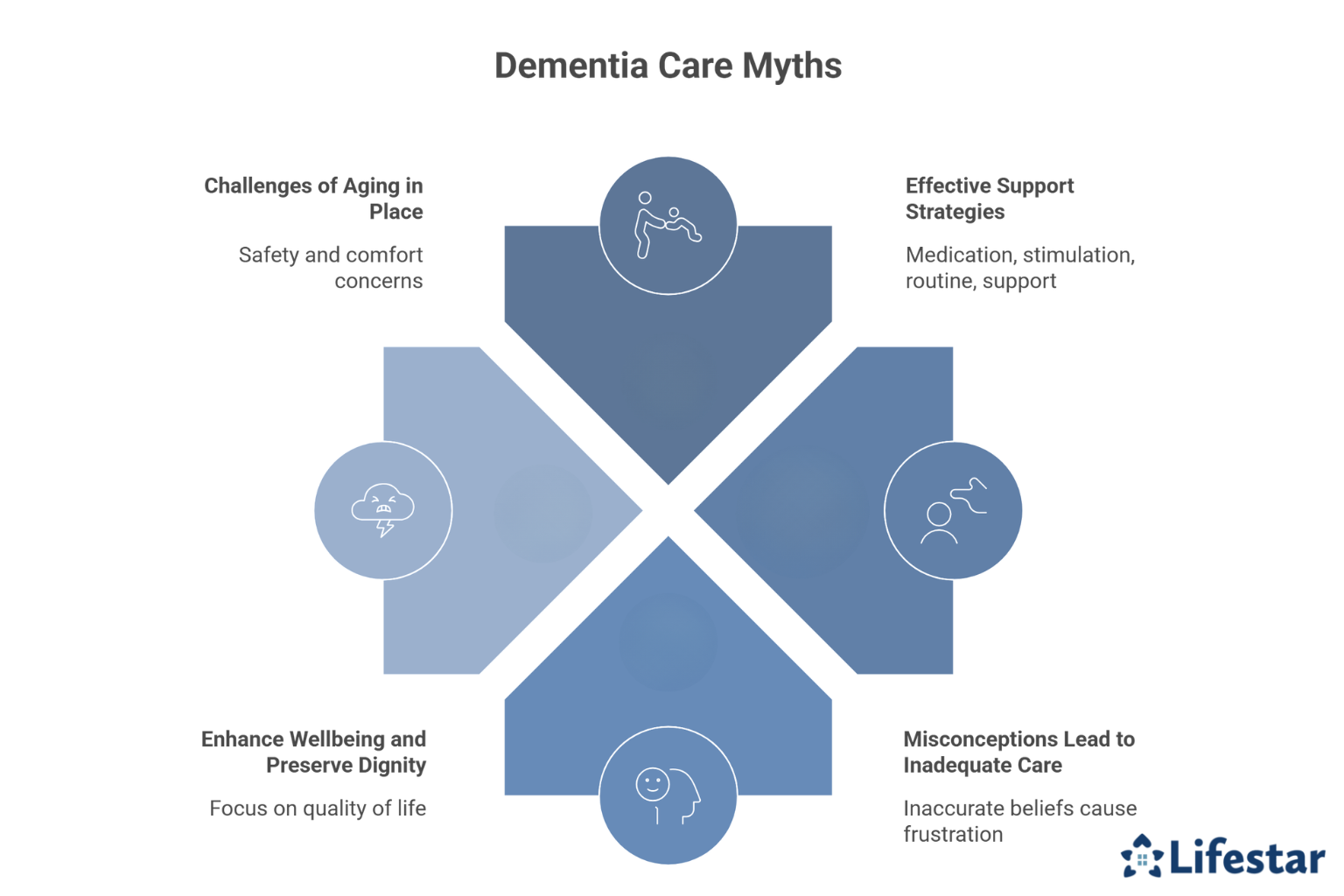
High-quality dementia care focuses on enhancing wellbeing and preserving dignity, not just managing symptoms.
Aging in place can present a few challenges for seniors living with dementia. However, they can still live independently at home with the help of professional Oklahoma City dementia home care. Lifestar Home Care can provide their elderly loved ones with mental and social stimulation, timely medication reminders, assistance with meal prep, and much more. Our caregivers are available around the clock to help your loved one live a happier and healthier life.
Do Dementia Patients Lose All Their Memories at Once?
No. Memory loss in dementia typically progresses gradually, not all at once. The pattern often follows this trajectory:
- Early stages – Recent memories fade first, while long-term memories from decades ago remain relatively intact.
- Middle stages – More significant memory gaps appear, including difficulty recognizing familiar people or places.
- Late stages – Severe memory impairment affects most cognitive functions.
Different types of dementia also affect memory in different ways. Understanding this progression helps caregivers adapt their approaches as needs change.
Is There Nothing We Can Do to Help Someone with Dementia?
This couldn’t be further from the truth. While dementia currently has no cure, there are many effective strategies to support those living with the condition:
- Medication – Certain drugs can temporarily slow the progression of cognitive decline or manage behavioral symptoms.
- Cognitive stimulation – Puzzles, games, and social interaction can help seniors maintain mental function.
- Routine and structure – Consistent daily schedules reduce confusion and anxiety.
- Environmental modifications – Simple changes like better lighting and clear signage increase safety and independence.
- Emotional support – Patience, validation, and compassionate communication make an enormous difference.
Caregivers play a vital role in maintaining quality of life for dementia patients.
Certain age-related conditions can make it more challenging for seniors to age in place safely and comfortably, but Oklahoma City 24-hour home care experts are available around the clock to help seniors manage their health. Whether your loved one is living with dementia or recovering from a stroke, you can trust the professional caregivers from Lifestar Home Care to enhance his or her quality of life.
Are All Forms of Dementia the Same?
No, dementia is an umbrella term for several different conditions. The most common types include:
- Alzheimer’s disease – Accounts for 60–80 percent of cases and primarily affects memory
- Vascular dementia – Caused by reduced blood flow to the brain, often following a stroke
- Lewy body dementia – Characterized by protein deposits in the brain and can cause visual hallucinations
- Frontotemporal dementia – Affects personality, behavior, and language more than memory
Each type has distinct symptoms, progression patterns, and care requirements. Accurate diagnosis can tailor treatment and support strategies.
While there’s currently no cure for dementia, a professional caregiver can help your loved one live with the symptoms of the condition in the comfort of home. If you have a senior loved one who needs help maintaining a high quality of life while aging in place, reach out to Lifestar Home Care, a leading provider of home care Oklahoma City families can trust. Our caregivers help seniors focus on healthy lifestyle habits such as eating nutritious foods, exercising regularly, and maintaining strong social ties, and we offer mentally stimulating activities that can boost cognitive health and delay the onset of dementia. Call today to speak with a friendly and experienced Care Manager to formulate a home care plan for your loved one.
Frequently Asked Questions
Can dementia be prevented?
+
While ther’s no guaranteed way to prevent dementia, maintaining a healthy lifestyle—including regular exercise, a balanced diet, social engagement, and managing cardiovascular risk factors—may reduce the risk.
Is dementia hereditary?
+
Some forms of dementia have a genetic component, but most cases aren’t directly inherited. Having a family member with dementia slightly increases your risk, but it doesn’t mean you’ll definitely develop the condition.
Can someone with dementia live alone?
+
In the early stages, some people with dementia can live independently with support systems in place. However, as the disease progresses, increased supervision and eventually full-time care become necessary for safety.
Do all dementia patients become aggressive?
+
No, not all people with dementia exhibit aggressive behavior. When it does occur, it’s usually a response to confusion, fear, pain, or unmet needs rather than a deliberate action.
How long do people live after a dementia diagnosis?
+
Life expectancy varies widely depending on the type of dementia, age at diagnosis, and overall health. On average, people live 4 to 8 years after diagnosis, though some may live 20 years or more.