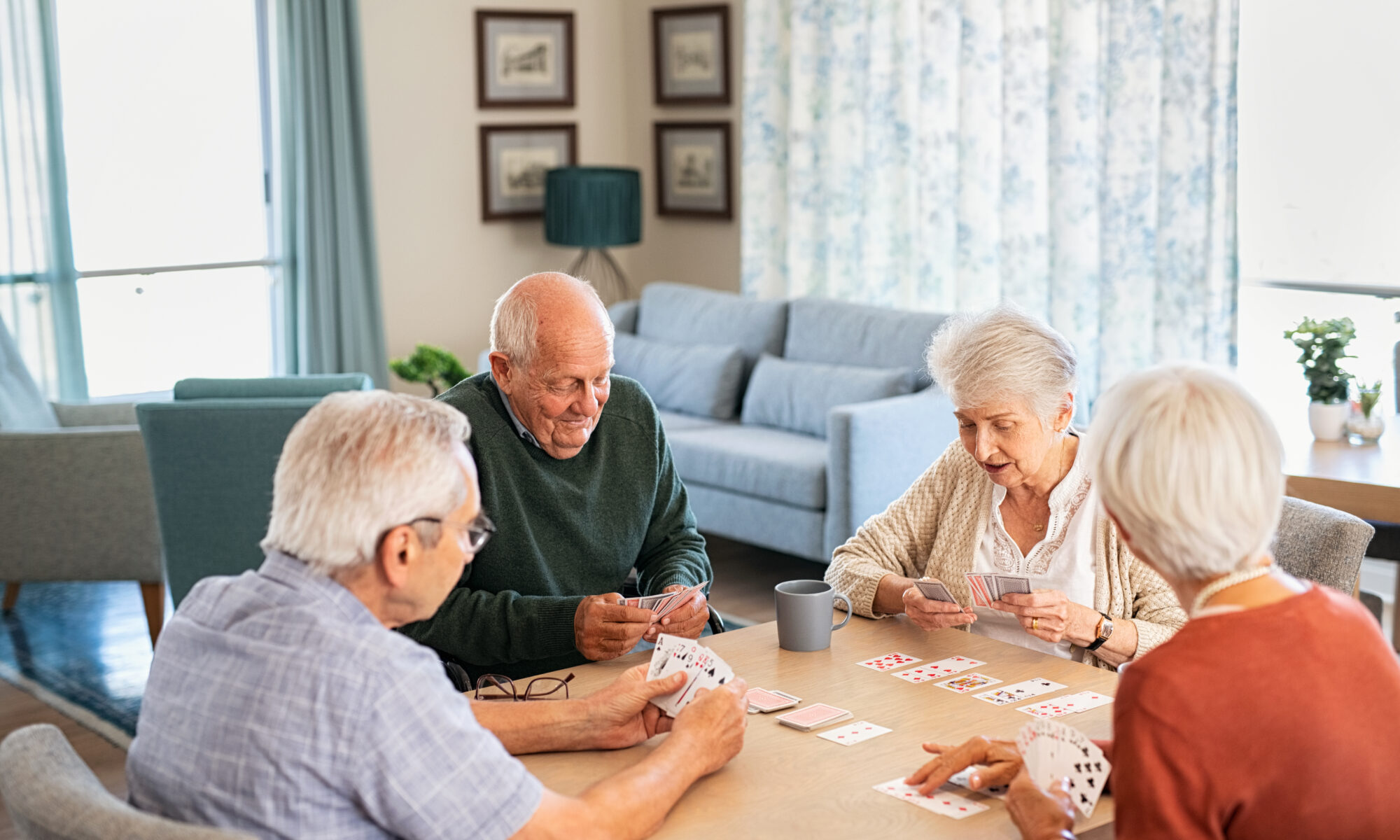
In-home care helps seniors stay socially connected by providing regular companionship, facilitating communication with family and friends, and encouraging participation in social activities, both at home and in the community. Social isolation is a serious concern for older adults, but professional caregivers can bridge this gap by offering meaningful interaction and support. Here’s how in-home care makes a real difference in maintaining social wellness for seniors.
Why Is Social Connection Important for Seniors?
Social connection directly impacts physical and mental health in older adults. Studies show seniors who maintain strong social ties experience lower rates of depression, cognitive decline, and chronic illness. Regular interaction stimulates the mind, provides emotional support, and gives seniors a sense of purpose and belonging. Without these connections, older adults face increased risks of loneliness, which can be as harmful to health as smoking or obesity.
How Do In-Home Caregivers Provide Companionship?
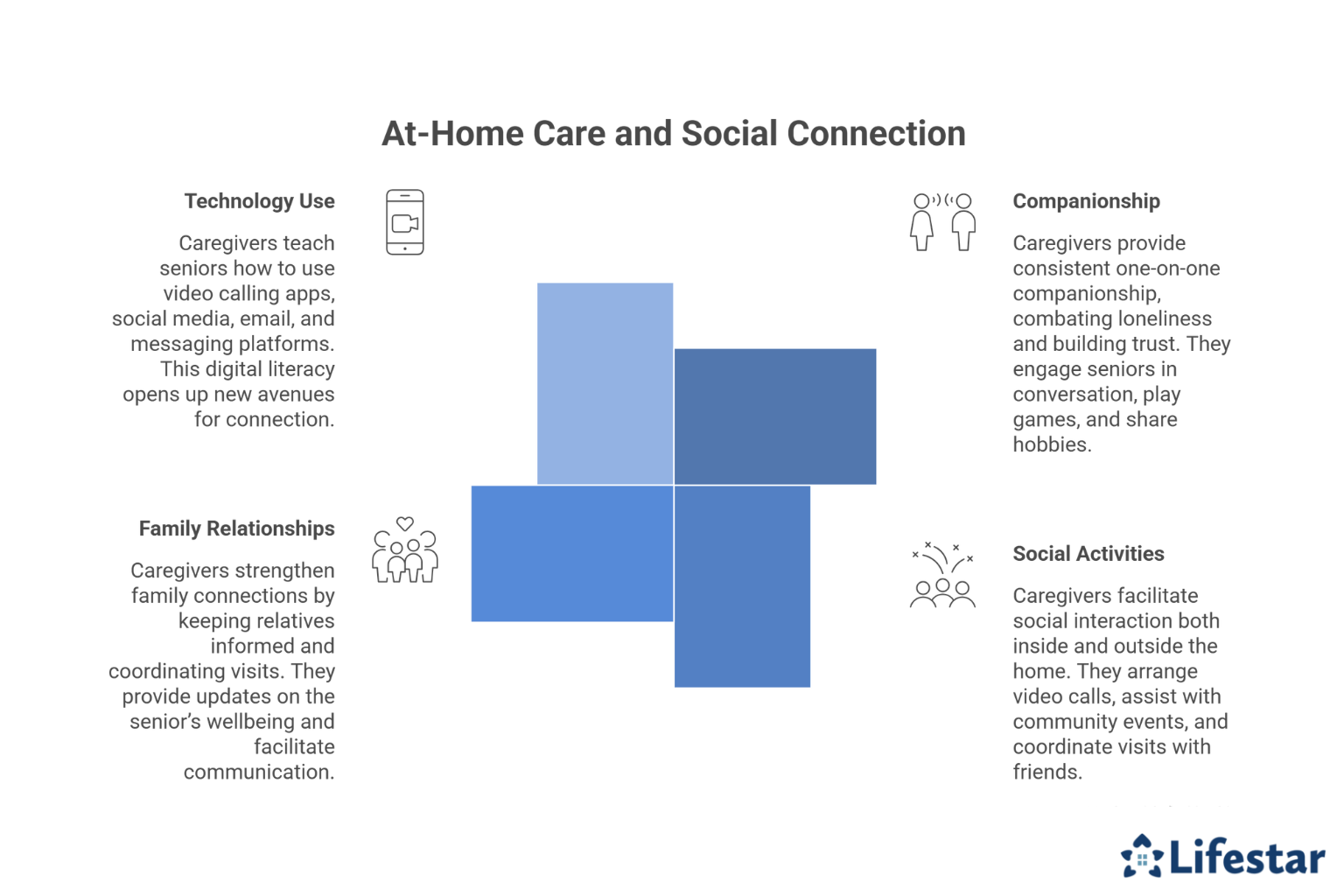
In-home caregivers offer consistent one-on-one companionship that combats loneliness. They engage seniors in conversation, play games, share meals, and participate in hobbies together. This regular interaction creates a comfortable routine and builds trust over time. Key ways caregivers provide companionship include:
- Engaging in meaningful conversations about interests, memories, and current events
- Playing card games, puzzles, or board games
- Watching favorite TV shows or movies together
- Reading books or newspapers aloud
- Listening actively and providing emotional support
When their aging loved ones need companionship and socialization a few hours a week or just need minor assistance with daily household tasks, respite or overnight care Oklahoma City families trust can be a wonderful solution. At Lifestar Home Care, we thrive on helping seniors maintain their independence while living in the comfort of home.
What Activities Can Caregivers Facilitate to Promote Social Engagement?
Caregivers help seniors participate in activities that encourage social interaction both inside and outside the home. They can arrange video calls with family members, assist with attending community events, or coordinate visits with friends. Transportation assistance is particularly valuable, as mobility limitations often prevent seniors from maintaining their social networks. Activities caregivers facilitate include:
- Video calls and phone conversations with loved ones
- Visits to senior centers, religious services, or community gatherings
- Attendance at family events and celebrations
- Participation in hobby groups or clubs
- Shopping trips and outings to restaurants or parks
If your loved one needs transportation to local club meetings and other social events, a home caregiver can be a wonderful asset. If you have a senior loved one who needs help maintaining a high quality of life while aging in place, reach out to Lifestar Home Care, a leading provider of home care Oklahoma City families can rely on. From assistance with mobility and exercise to providing transportation to the doctor’s office and social events, there are a variety of ways professional caregivers can help your aging loved one continue to live independently.
How Does In-Home Care Support Family Relationships?
In-home caregivers strengthen family connections by keeping relatives informed and coordinating visits. They provide updates on the senior’s wellbeing, facilitate communication when mobility or technology poses challenges, and help family members feel more confident about their loved one’s care. Caregivers can also teach family members how to better interact with seniors who have cognitive or physical limitations, enhancing the quality of visits.
Can In-Home Care Help Seniors Use Technology to Stay Connected?
Many seniors have difficulty with smartphones, tablets, and computers, which limits their ability to connect with distant family and friends. In-home caregivers can teach seniors how to use video calling apps, social media, email, and messaging platforms. They provide patient, step-by-step instruction and troubleshoot technical issues as they arise. This digital literacy opens up new avenues for connection, especially with grandchildren and relatives who live far away.
Whether you need respite from your caregiving duties or your aging loved one needs Oklahoma City 24-hour care, Lifestar Home Care can meet your family’s care needs. Our dedicated caregivers are available around the clock to provide transportation to doctor’s appointments, ensure seniors take their prescribed medications, and help with a variety of tasks in and outside the home. To learn about our high-quality in-home care services, give us a call today.
Frequently Asked Questions
How often should an in-home caregiver visit to maintain social connection?
+
The frequency depends on individual needs, but even two to three visits per week can significantly reduce feelings of isolation. Daily visits offer the most consistent companionship and social engagement.
What if my loved one is resistant to having a caregiver?
+
Introduce the caregiver gradually as a companion rather than focusing on the role as a helper. Many seniors warm up once they realize the caregivers share their interests and genuinely enjoy spending time with them.
Can in-home caregivers take seniors to social events?
+
Yes, many in-home care services include transportation and accompaniment to social activities, medical appointments, and community events as part of their care plans.
How do caregivers help seniors with dementia stay socially connected?
+
Caregivers trained in dementia care use specialized communication techniques, engage in reminiscence therapy, and create structured social routines that reduce anxiety while promoting meaningful interaction.