
Regular physical movement, especially walking, is widely associated with better brain aging and cognitive resilience over time. Research suggests consistent low-impact activity like walking may support blood flow to the brain, regulate inflammation, and boost overall cardiovascular health, all of which are closely linked to cognitive performance in older adults. While walking isn’t a guaranteed way to prevent dementia, studies show it can play a meaningful role in reducing risk factors associated with memory decline. The benefits are most noticeable when walking becomes a daily habit, paired with a balanced lifestyle that includes mental engagement, proper sleep, and healthy nutrition.
Why Daily Walking Is Being Studied for Brain Health
Daily walking has gained attention in neurological and geriatric research because it’s one of the simplest forms of exercise most older adults can maintain consistently. Scientists are particularly interested in how walking influences brain plasticity, blood circulation, and stress hormone regulation. As people age, reduced physical activity often leads to slower cognitive processing and reduced oxygen supply to brain tissues. Walking counters these effects by increasing heart rate slightly and improving oxygen delivery. Over time, these improvements may slow the progression of age-related cognitive decline. This is why walking is now frequently included in preventive strategies for dementia and Alzheimer’s studies focused on aging populations.
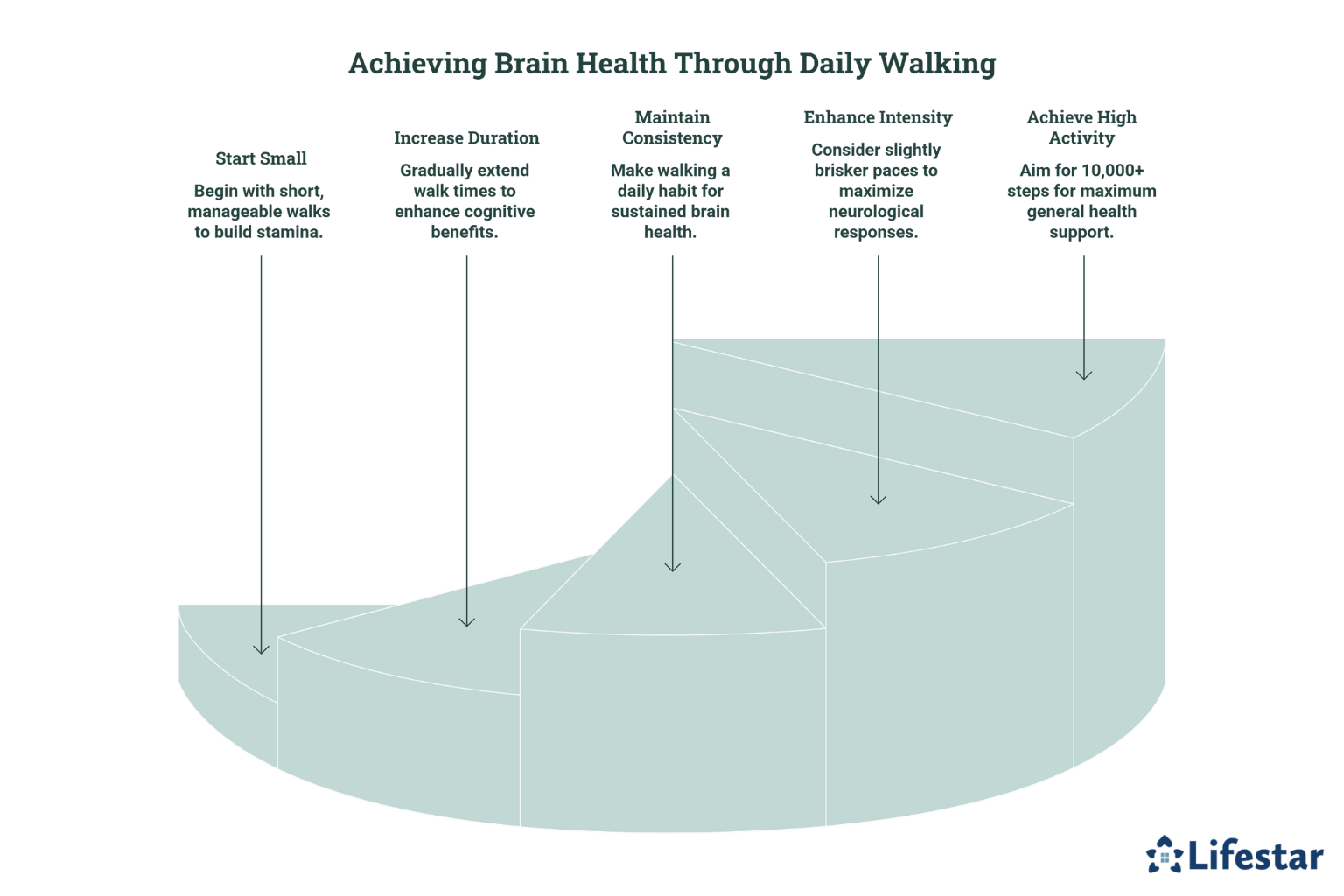
How Physical Activity Supports Memory and Cognitive Function
Physical activity plays a direct role in maintaining memory function because it stimulates the release of brain-derived neurotrophic factor (BDNF), a protein that supports neuron growth and repair. Seniors who engage in consistent walking routines often show better attention span, recall ability, and executive function compared to sedentary individuals. In many structured care programs such as Alzheimer’s care in Oklahoma City, walking is integrated as part of daily cognitive support therapy because it encourages both mental stimulation and physical stability. Regular movement also reduces the risk of chronic conditions like hypertension and diabetes, which are strongly linked to cognitive decline. Even light daily walking sessions can maintain brain efficiency and boost emotional wellbeing in seniors.
The Science Behind Walking and Reduced Dementia Risk
Scientific studies suggest walking boosts brain health through multiple biological pathways. One major factor is increased cerebral blood flow, which ensures brain cells receive enough oxygen and nutrients to function properly. Another key factor is reduced inflammation, which is known to contribute to neurodegenerative diseases. Walking also regulates insulin sensitivity, and metabolic health plays a surprisingly important role in cognitive stability. Researchers have observed that seniors who walk regularly tend to have larger hippocampal volumes, the area of the brain responsible for memory formation. While results vary between individuals, the overall evidence supports walking as a protective lifestyle habit rather than a medical cure.
How Many Steps Per Day May Support Brain Health?
Health experts often discuss step counts when recommending walking routines for seniors, but the ideal number varies depending on age, mobility, and health status. However, studies consistently show that even moderate activity levels provide measurable cognitive benefits. Below is a simplified breakdown of step activity and its potential cognitive impact:
| Daily Steps Range | Activity Level | Cognitive Support Effect |
| 1,000 – 3,000 | Low activity | Minimal brain stimulation |
| 3,000 – 5,000 | Light activity | Better mood and circulation |
| 5,000 – 7,000 | Moderate | Noticeable memory support |
| 7,000 – 10,000 | Active level | Strong cognitive benefits |
| 10,000+ | High activity | Maximum general health support |
Experts emphasize that consistency matters more than intensity. Even short, frequent walks throughout the day can be more beneficial than one long session, especially for seniors with limited mobility or early cognitive concerns.
Walking Speed, Intensity, and Cognitive Benefits
Walking speed is another important factor in brain health research. Studies show that a slightly brisk walking pace can be more beneficial than slow strolling because it activates cardiovascular and neurological responses more effectively. However, intensity should always match an individual’s physical capability. Seniors with mobility challenges can still benefit from slow, steady walking routines. Over time, gradual improvements in pace can reflect better heart and brain coordination. Consistent movement, even at a gentle pace, helps seniors maintain balance, reduces fall risk, and supports mental clarity. The key is sustainability, not speed, because long-term consistency has a stronger impact on cognitive aging than short bursts of intense activity.
Comparison of Sedentary vs. Active Lifestyles on Brain Aging
Below is a comparative overview of how activity levels influence brain aging and cognitive resilience:
| Lifestyle Type | Brain Health Impact | Dementia Risk Trend |
| Sedentary | Reduced blood flow, slower cognition | Higher risk |
| Light Activity | Moderate brain stimulation | Moderate risk |
| Active Walking | Increased memory retention | Lower risk |
| Consistent Exercise | Strong neuroprotection | Significantly lower risk |
This comparison highlights how movement patterns directly influence long-term brain health outcomes. Sedentary behavior is strongly associated with faster cognitive decline, while regular walking contributes to better mental sharpness and emotional stability. Even small lifestyle changes, such as replacing sitting time with short walks, can make a meaningful difference over time.
Mental and Emotional Benefits of Daily Walking for Seniors
Walking isn’t only beneficial for physical health, but it also plays a powerful role in emotional wellbeing. Seniors who engage in daily walks often report reduced anxiety, increased mood, and better sleep quality. These mental health improvements are important because chronic stress and depression are linked to faster cognitive decline. In supportive environments like home care in Oklahoma City, caregivers often encourage outdoor walking sessions to promote emotional balance and social engagement. Walking also provides a sense of independence and routine, which is especially important for seniors experiencing early memory challenges. Natural exposure to sunlight further supports vitamin D production, which has been linked to brain health and mood regulation.
The Role of Care Support in Encouraging Daily Movement
Many seniors have difficulty maintaining consistency in daily physical activity due to mobility limitations, lack of motivation, or safety concerns. This is where structured care support becomes essential. Caregivers can create personalized walking schedules, provide supervision, and ensure safe environments for movement. Regular encouragement and companionship during walks also increase adherence to exercise routines. When combined with professional assistance, walking becomes a sustainable part of daily life rather than a difficult task. This approach ensures seniors receive both physical and emotional support while maintaining independence and reducing cognitive decline risk over time.
Walking Plans for Seniors with Early Memory Concerns
For individuals experiencing early memory concerns, structured walking routines can be especially helpful. A gradual approach is recommended, starting with short 10–15 minute walks and slowly increasing the duration based on comfort. In many cases, supportive services like hourly home care in Oklahoma City provide assistance in building safe and consistent mobility routines tailored to individual needs. Walking at the same time each day helps seniors establish cognitive rhythm and enhances routine memory function. Adding familiar routes also reduces confusion and enhances spatial awareness. Over time, these structured walking habits may contribute to increased confidence, stability, and mental clarity.
Safety Tips for Seniors Starting a Walking Routine
Safety is a crucial factor when introducing walking as a daily habit for seniors. Proper footwear, hydration, and weather awareness are essential to prevent falls or fatigue-related issues. Walking should be done in well-lit and familiar areas, ideally with a companion or caregiver when needed. Seniors with medical conditions should consult healthcare professionals before increasing physical activity. It’s also important to start slowly and gradually increase walking duration to avoid strain. Using walking aids when necessary can increase stability and confidence, making the routine both safe and effective for long-term cognitive and physical health benefits.
Building a Long-Term Habit for Brain and Body Wellness
Creating a long-term walking habit requires consistency, motivation, and structured planning. Seniors are more likely to maintain routines when walking is paired with enjoyable activities such as listening to music, social interaction, or visiting familiar outdoor spaces. Tracking progress can also increase motivation and provide a sense of achievement. Over time, walking becomes less of a task and more of a lifestyle habit that supports both brain and body health. The long-term benefits extend beyond dementia risk reduction, contributing to better cardiovascular health, emotional balance, and overall quality of life.
Frequently Asked Questions
Can daily walking really reduce the risk of dementia?
+
Daily walking may lower risk factors associated with dementia by increasing blood flow and brain oxygen levels. It supports overall cognitive health but doesn’t guarantee prevention.
How long should seniors walk each day for brain health benefits?+
Most studies suggest 20 to 40 minutes of daily walking can provide cognitive benefits. However, consistency is more important than duration for long-term brain health./p>
Is walking better than other exercises for preventing memory loss?+
Walking is one of the safest and most accessible exercises for seniors. While not the only option, it’s highly effective when done consistently.
Can walking boost memory in seniors with early cognitive decline?+
Yes, regular walking can support memory function and slow the progression of cognitive decline. It increases oxygen flow and supports brain cell activity.
What’s the best time of day for seniors to walk?+
Morning or early evening is generally ideal for walking. These times offer better temperatures, increased energy levels, and safer outdoor conditions.