Table of Content
Chronic pain is a prevalent issue among older adults, significantly affecting their quality of life and daily functioning. With an increasing aging population, it’s essential to understand how to effectively manage chronic pain to boost overall wellbeing. This blog explores various strategies and approaches to help older adults manage chronic pain.
What Chronic Pain Is & How It Affects Seniors
Chronic pain is defined as persistent or recurrent pain lasting longer than three months. In older adults, it often stems from conditions such as arthritis, osteoporosis, neuropathy, and other degenerative diseases. Understanding the nature and source of chronic pain is crucial to developing effective management plans.
Older adults may face unique challenges in managing pain due to physiological changes associated with aging, comorbidities, and potential medication interactions. Comprehensive pain assessment, personalized treatment plans, and interdisciplinary approaches are essential components in addressing chronic pain in seniors.
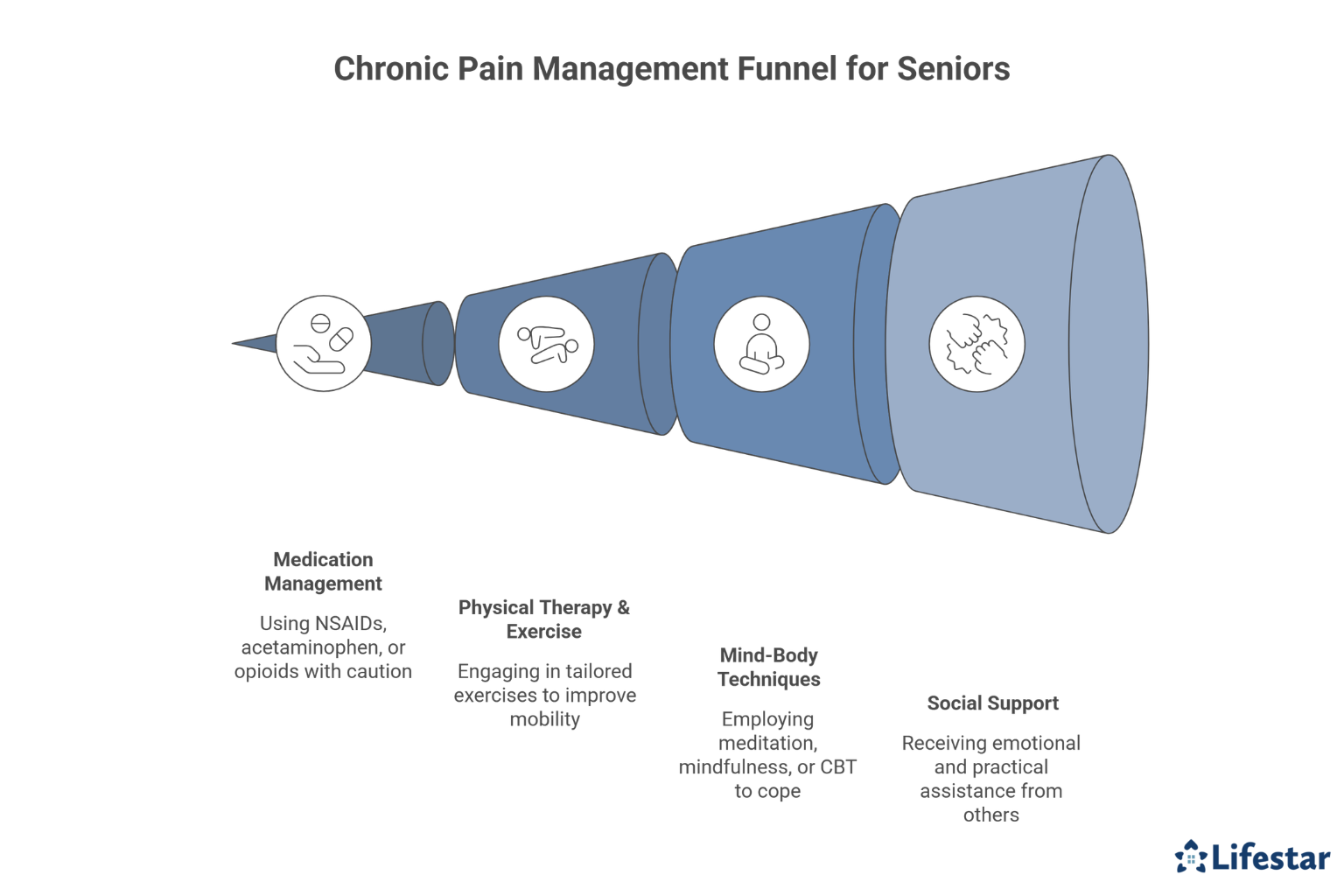
The Role of Medication
Medication is often the first line of treatment for chronic pain in older adults. Nonsteroidal anti-inflammatory drugs (NSAIDs), acetaminophen, and certain opioids can provide relief. However, these medications come with potential side effects, especially in those who may have sensitive systems or multiple health conditions.
It’s important for healthcare providers to consider the benefits and risks when prescribing medication and to closely monitor patients. Alternative options like topical treatments or low-dose antidepressants may also be beneficial for specific pain types.
A home caregiver can provide your loved one with regular medication reminders. Not every senior has the same care needs, which means they don’t all need the same type of at-home care. You can rely on Lifestar Home Care to provide an individualized care plan to meet your elderly loved one’s unique care needs. Our caregivers help seniors focus on healthy lifestyle habits, such as eating nutritious foods, exercising regularly, and maintaining strong social ties, and we offer mentally stimulating activities that can boost cognitive health and delay the onset of dementia. Families can also find guidance on What to Do if an Aging Parent Won’t Eat to support proper nutrition and overall wellness.
Physical Therapy & Exercise
Physical therapy plays a critical role in managing chronic pain. Therapeutic exercises can boost mobility, increase strength, and reduce pain. Tailored exercise programs developed by physical therapists can help older adults maintain or regain independence and enhance their overall quality of life.
Regular physical activity, such as walking, swimming, or yoga, can also decrease pain and enhance physical function. It’s crucial for older adults to engage in activities that are safe and appropriate for their fitness levels, considering any limitations due to chronic conditions.
A professional caregiver can help your loved one exercise in safety and comfort. If you have a senior loved one who needs help maintaining a high quality of life while aging in place, reach out to Lifestar Home Care, a leading provider of home care Oklahoma City families can trust. Our caregivers help seniors focus on healthy lifestyle habits such as eating nutritious foods, exercising regularly, and maintaining strong social ties, and we offer mentally stimulating activities that can boost cognitive health and delay the onset of dementia.
Mind-Body Techniques
Mind-body techniques, such as meditation, mindfulness, and cognitive behavioral therapy (CBT), have gained popularity as nonpharmacological methods to manage chronic pain. These approaches help individuals develop coping strategies and alter their perception of pain, reducing its impact on daily life.
Therapies like guided imagery and deep breathing exercises can also promote relaxation and alleviate pain symptoms. Mind-body techniques empower older adults to take an active role in managing their pain, contributing to better psychological wellbeing and pain management outcomes.
The Importance of Social Support
Social support is vital for older adults living with chronic pain. Family, friends, and caregivers play essential roles in providing emotional and practical assistance. Support groups and community resources can also offer companionship and understanding, helping older adults feel less isolated.
Encouraging social interaction and maintaining strong connections can boost mental health and resilience, making it easier to manage chronic pain. Caregivers should be educated about chronic pain management to provide the necessary support and advocate for the best care possible.
For some families, caring for a senior loved one can be overwhelming at times. Luckily, they can rely on professional respite care. Oklahoma City, OK, Lifestar Home Care is a trusted name in respite and hourly care. Our caregivers are available around the clock to assist seniors with bathing, transportation, medication reminders, exercise, and much more, allowing families the time they need to focus on other important responsibilities or just take a break. Call one of our friendly Care Managers today to schedule a free consultation.