
Adult children often slip into roles as dementia caregivers seamlessly by gradually taking on small everyday tasks for their aging parents until the responsibilities become completely overwhelming. This subtle transition frequently masks the reality of their parents’ cognitive decline and their own newly acquired caregiving status. Recognizing this shift early is crucial for accessing the right support, medical care, and community resources.
What Are the Early Warning Signs of Dementia in Aging Parents?
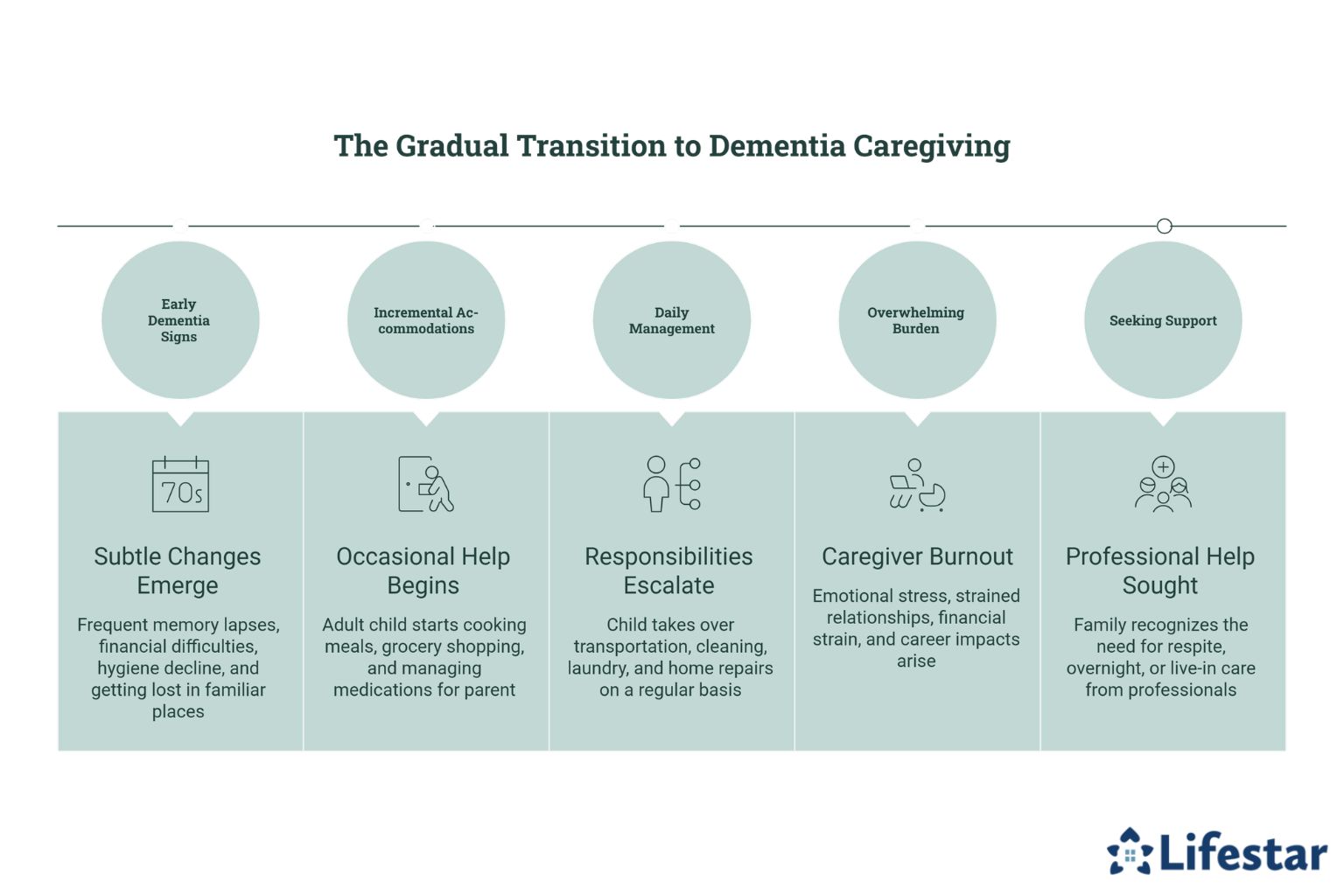
The initial indicators of cognitive decline are often brushed off as normal aging or temporary forgetfulness. Families should watch for specific recurring changes in behavior and daily routines.
- Frequent memory lapses regarding recent events, repeated questions, or forgotten conversations
- Difficulty managing finances, such as unpaid bills, double payments, or unusual purchases
- A noticeable decrease in personal hygiene or household cleanliness
- Getting lost in familiar places or expressing confusion about current times and dates
How Do Adult Children Slowly Take on Caregiving Responsibilities?
The shift into a caregiving role rarely happens overnight but rather through a series of incremental accommodations. It typically begins with an adult child offering occasional help that slowly escalates into daily management.
- Dropping by to cook a few extra meals each week or doing the grocery shopping
- Taking over the parent’s medication schedule to prevent missed or doubled doses
- Handling all transportation needs because the parent can no longer drive safely
- Stepping in to clean the house, manage laundry, and coordinate home repairs on a regular basis
The type of home care Oklahoma City seniors need can vary. Some need assistance a few hours a day, while others require more extensive around-the-clock assistance. At Lifestar Home Care, we tailor our care plans based on each senior’s individual care needs, and the plans can be adjusted at any time. We are a trusted provider of respite and 24-hour care, and we also offer specialized Alzheimer’s, dementia, Parkinson’s, and stroke care for seniors.
Why Do Families Fail to Recognize This Caregiving Transition?
Many families miss the transition because the change is incredibly gradual and deeply rooted in a natural sense of familial love and duty. Adult children instinctively want to help their aging parents and often view these added tasks as temporary favors or minor life adjustments. Additionally, parents experiencing early dementia may successfully hide their symptoms or compensate for their deficits during brief visits, making the true extent of their cognitive decline difficult to gauge.
What Are the Hidden Costs of Unrecognized Caregiving?
Assuming the role of a caregiver without realizing it can take a severe and unmanaged toll on an adult child’s overall wellbeing. Because they don’t formally identify as caregivers, they rarely seek out local support groups, respite care, or financial assistance.
- Increased emotional stress, anxiety, and physical burnout
- Strained relationships with spouses and children due to severe time constraints
- Financial strain from covering a parent’s living and medical expenses out of pocket
- Negative impacts on professional careers, including missed promotions or reduced work hours
Family caregivers need to care for their own wellbeing. If you’re caring for an aging loved one and are feeling overwhelmed, consider hiring a professional caregiver to provide the best Oklahoma City overnight care, live-in care, or respite care. Families who want to prevent burnout can turn to Lifestar Home Care. One of our professional caregivers can assist your loved one at home while you take a nap, go to work, run errands, or go on vacation.
Aging in place can present a few challenges for seniors living with dementia. However, they can still live independently at home with the help of professional dementia care Oklahoma City families can rely on. Lifestar Home Care can provide their elderly loved ones with mental and social stimulation, timely medication reminders, assistance with meal prep, and much more. Our caregivers are available around the clock to help your loved one live a happier and healthier life. Call one of our friendly Care Managers today to schedule a free consultation.
Frequently Asked Questions
How do I know if I’m a caregiver for my parent?
+
If you regularly help your parent with daily living activities like managing medications, preparing meals, or handling finances, you’re functioning as a caregiver. Acknowledging this role is the first step toward getting necessary support for both yourself and your parent.
What should I do if I suspect my parent has dementia?
+
Schedule an appointment with your loved one’s primary care physician or a neurologist for a comprehensive medical and cognitive evaluation. Early diagnosis allows families to plan for the future, address safety concerns, and explore available treatment options.
Where can I find support for dementia caregivers?
+
Local hospitals, community senior centers, and organizations like the Alzheimer’s Association offer local support groups and valuable educational resources. Many online forums also provide safe spaces to share experiences and seek advice from other family caregivers.
Can a parent with early-stage dementia still live independently?
+
Yes, many individuals with early-stage dementia can live alone safely if they have adequate support systems and safety measures in place. However, their living situation will require regular monitoring and frequent adjustments as the disease progresses.