Table of Content
Dementia is a term used to describe a range of neurological conditions affecting the brain, leading to a progressive decline in cognitive function. This decline interferes with a person’s ability to perform daily activities and can significantly impact quality of life. Understanding the fundamentals of dementia is the first step toward managing its challenges and supporting those affected.
Defining Dementia
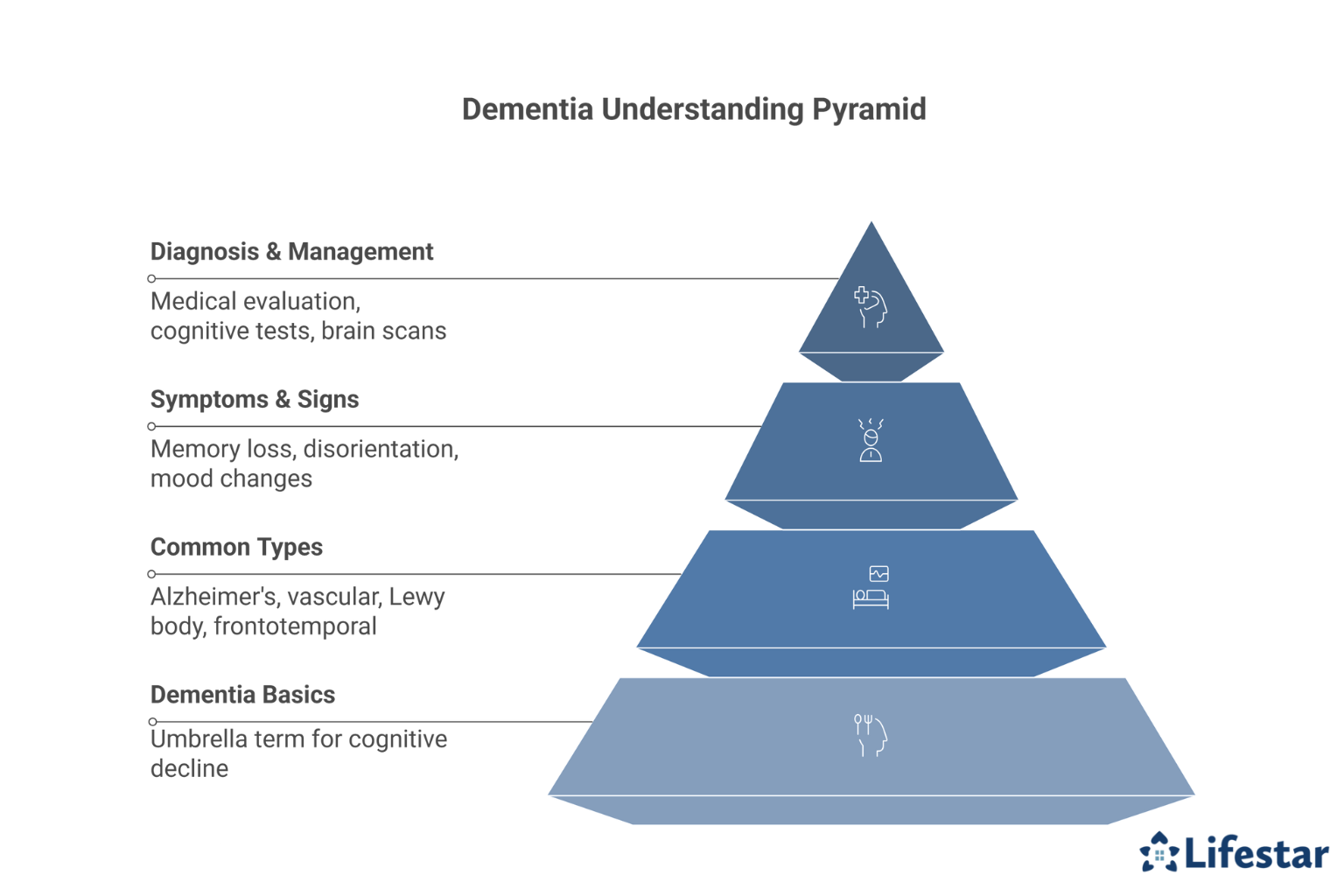
Dementia isn’t a single disease but an umbrella term for a group of symptoms caused by various disorders that damage brain cells. These symptoms result from the deterioration of cognitive functions, including memory, thinking, and social abilities, to the degree it impairs daily functioning. While it primarily affects older adults, it’s not a normal part of aging. The most common type of dementia is Alzheimer’s disease, but there are several other forms, each with unique causes and presentations.
If your loved one has been diagnosed with Alzheimer’s disease, compassionate help is just a phone call away. For reliable Alzheimer’s care in Oklahoma City, families can turn to Lifestar Home Care. We are a leading provider of professional memory care designed to help seniors maintain a higher quality of life. In addition to Alzheimer’s care, we also provide comprehensive dementia, Parkinson’s, and stroke care. From revolutionary care programs to compassionate and dedicated caregivers, we can meet all of your Alzheimer’s care needs.
Common Types of Dementia
There are numerous conditions that can cause dementia. Understanding the specific type is crucial for proper diagnosis and management.
- Alzheimer’s disease – This is the most prevalent form, accounting for 60 to 80 percent of dementia cases. It’s characterized by the formation of plaques and tangles in the brain, which disrupt communication between nerve cells and lead to their eventual death. Early symptoms often involve short-term memory loss.
- Vascular dementia – This type occurs due to brain damage from reduced or blocked blood flow to the brain, often following a stroke or a series of mini-strokes. Symptoms can appear suddenly or develop gradually and often affect judgment, planning, and decision-making.
- Lewy body dementia (LBD) – This condition is caused by abnormal deposits of a protein called alpha-synuclein in the brain. People with LBD often experience fluctuations in alertness and attention, visual hallucinations, and movement symptoms similar to Parkinson’s disease.
- Frontotemporal dementia (FTD) – This group of disorders affects the frontal and temporal lobes of the brain, areas associated with personality, behavior, and language. Unlike Alzheimer’s, memory loss isn’t typically an early symptom. Instead, changes in personality and behavior or difficulties with language are more common.
Aging in place can present a few challenges for seniors living with dementia. However, they can still live independently at home with the help of professional dementia care in Oklahoma City. Lifestar Home Care can provide seniors living with dementia with mental and social stimulation, timely medication reminders, assistance with meal prep, and much more. Our caregivers are available around the clock to help your loved one live a happier and healthier life.
Symptoms and Warning Signs
The symptoms of dementia can vary widely depending on the cause and the area of the brain affected. However, some common signs and symptoms can indicate the onset of the condition. Recognizing these early is important for seeking a timely diagnosis.
Key warning signs include:
- Memory loss – Difficulty remembering recent events, names, or conversations
- Difficulty with tasks – Challenges with familiar tasks like cooking a meal or managing finances
- Language problems – Trouble finding the right words or following a conversation
- Disorientation – Getting lost in familiar places or being confused about the time or date
- Poor judgment – Making questionable decisions or exhibiting a lack of insight
- Changes in mood or personality – Experiencing mood swings, apathy, depression, or increased irritability
- Misplacing items – Putting things in unusual places and being unable to retrace steps to find them
Diagnosis and Management
Diagnosing dementia involves a comprehensive medical evaluation. There’s no single test to determine if someone has dementia. Doctors use a combination of methods to make a diagnosis, including:
- A detailed medical history
- Physical and neurological exams
- Cognitive and neuropsychological tests to assess memory, problem-solving, and language skills
- Brain scans, such as CT, MRI, or PET scans, to identify changes in brain structure or function
- Laboratory tests to rule out other conditions that may cause similar symptoms, like vitamin deficiencies or thyroid problems
While there’s currently no cure for most types of dementia, various treatments and management strategies can help seniors manage symptoms and enhance their quality of life. These may include medications to temporarily boost cognitive function, therapies to manage behavioral symptoms, and lifestyle changes like a healthy diet and regular exercise. Support from family, friends, and support groups is also a vital part of managing the condition effectively.
If your senior loved one has been diagnosed with a serious condition and needs help with tasks like meal prep, transportation, medication reminders, bathing, and grooming, reach out to Lifestar Home Care, a leading provider of home care Oklahoma City families can trust. We also offer comprehensive care for seniors with dementia, Alzheimer’s, and Parkinson’s. Trust your loved one’s care to the professionals at Lifestar Home Care. Reach out to one of our compassionate Care Managers today.