
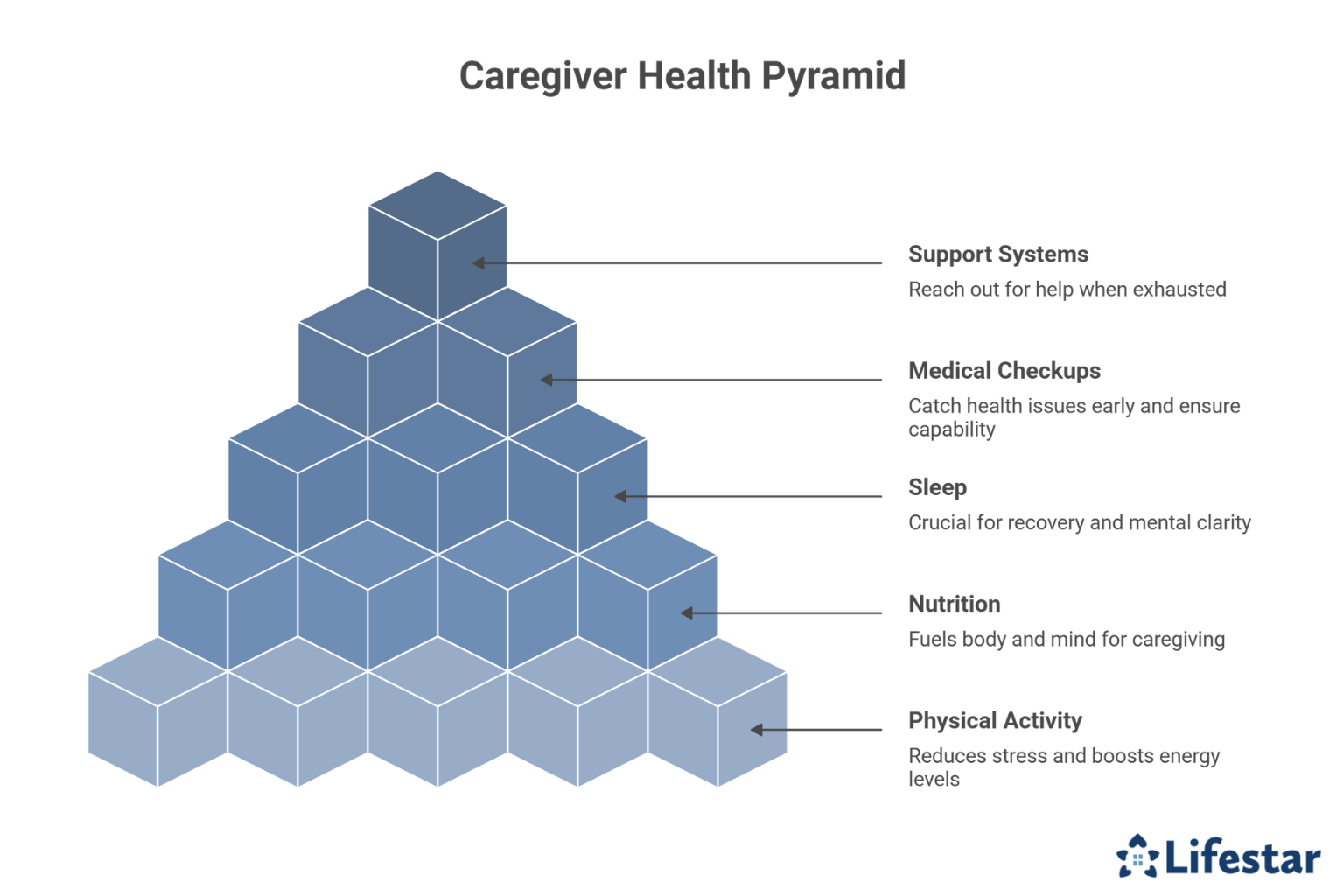
Caregivers can maintain their physical health by prioritizing regular exercise, eating nutritious meals, getting adequate sleep, and scheduling routine medical checkups. Taking care of yourself isn’t selfish—it’s essential for providing high-quality care to your senior loved one. Here’s how to stay healthy while meeting the demands of caregiving.
Why Is Physical Activity Important for Caregivers?
Regular physical activity can reduce stress, boost energy levels, and prevent chronic health conditions like heart disease and diabetes. Even short bursts of movement throughout the day can make a significant difference.
Consider these simple ways to stay active:
- Take a 10-minute walk while your loved one naps.
- Do stretching exercises or yoga during TV commercials.
- Use resistance bands for quick strength training sessions.
- Park farther away when running errands to add extra steps.
- Join an online fitness class that fits your schedule.
Aim for at least 150 minutes of moderate exercise per week, but remember any movement is better than none.
The type of home care Oklahoma City seniors need can vary. Some need assistance a few hours a day, while others require more extensive around-the-clock assistance. At Lifestar Home Care, we tailor our care plans based on each senior’s individual care needs, and the plans can be adjusted at any time. We are a trusted provider of respite and 24-hour care, and we also offer specialized Alzheimer’s, dementia, Parkinson’s, and stroke care for seniors.
How Can Caregivers Ensure They’re Eating Well?
Proper nutrition fuels your body and mind, helping you handle caregiving responsibilities more effectively. Skipping meals or relying on processed foods can lead to fatigue and health problems.
Try these nutrition strategies:
- Prepare meals in bulk and freeze portions for busy days.
- Keep healthy snacks like nuts, fruit, and yogurt readily available.
- Stay hydrated by keeping a water bottle with you.
- Use grocery delivery services to save time and energy.
- Share meals with your loved one when possible.
If cooking feels overwhelming, consider meal delivery services or ask family members to contribute prepared dishes.
What Role Does Sleep Play in Caregiver Health?
High-quality sleep is crucial for physical recovery, mental clarity, and emotional resilience. Sleep deprivation weakens your immune system and increases the risk of accidents and burnout.
To enhance your sleep quality:
- Establish a consistent bedtime routine.
- Create a calm sleeping environment with minimal light and noise.
- Limit caffeine and screen time before bed.
- Ask family members or hire respite caregivers to cover night duties occasionally.
- Take short naps when your loved one rests.
If sleep problems persist, discuss them with your doctor. Chronic insomnia may require professional intervention.
Family caregivers need to care for their own wellbeing. If you’re caring for an aging loved one and are feeling overwhelmed, consider hiring a professional caregiver to provide Oklahoma City overnight home care or respite care for a few hours a day. Families who want to prevent burnout can turn to Lifestar Home Care. One of our professional caregivers can assist your loved one at home while you take a nap, go to work, run errands, get a good night’s sleep, or go on vacation.
How Often Should Caregivers See Their Own Doctors?
Regular medical checkups help you catch health issues early and ensure you’re physically capable of providing care. Many caregivers neglect their own health appointments, but prevention is always easier than treatment.
Schedule and keep these appointments:
- Annual physical examinations
- Dental cleanings every six months
- Vision and hearing tests as recommended
- Age-appropriate screenings (mammograms, colonoscopies, etc.)
- Mental health checkups if experiencing anxiety or depression
Coordinate respite care for important appointments, and don’t hesitate to use telehealth options when they’re more convenient.
What Should Caregivers Do when They Feel Physically Exhausted?
Physical exhaustion is a warning sign you need additional support. Ignoring fatigue can lead to serious health consequences and compromise the quality of care you provide.
When exhaustion hits:
- Reach out to family members and friends for temporary help.
- Explore respite care services in your community.
- Use proper body mechanics when lifting or transferring your loved one.
- Consider assistive devices that reduce physical strain.
- Join a caregiver support group to share strategies and resources.
Remember that asking for help demonstrates strength, not weakness.
Whether you need respite from your caregiving duties or your aging loved one needs Oklahoma City 24-hour care, Lifestar Home Care can meet your family’s care needs. Our dedicated caregivers are available around the clock to provide transportation to doctor’s appointments, ensure seniors take their prescribed medications, and help with a variety of tasks in and outside the home. Call Lifestar Home Care to learn more about our flexible and customizable senior care plans.
Frequently Asked Questions
How can I find time to exercise when caregiving is so demanding?
+
Break exercise into small chunks throughout the day, such as three 10-minute sessions, and incorporate movement into caregiving tasks like walking alongside your loved one or doing chair exercises together.
What are the signs I’m neglecting my own health?
+
Warning signs include persistent fatigue, frequent illness, weight changes, chronic pain, irritability, difficulty concentrating, and skipping your own medical appointments.
Are there resources to help caregivers access healthcare?
+
Yes, many communities offer caregiver support programs, respite care services, and health resources through Area Agencies on Aging, nonprofit organizations, and healthcare systems.
How can I afford healthy food on a limited budget?
+
Buy seasonal produce, shop sales, choose generic brands, prepare meals from scratch, buy in bulk, and explore food assistance programs like SNAP if you qualify.
What should I do if I develop health problems while caregiving?
+
Seek medical attention immediately and honestly discuss your caregiving responsibilities with your doctor, who can help you develop a treatment plan that accommodates your situation while exploring additional support options.