
Table of Content
Companionship becomes essential for seniors living at home when they begin experiencing prolonged isolation, noticeable changes in mood, or difficulty managing daily household routines alone. Staying socially connected is crucial for maintaining cognitive health and overall emotional wellbeing during the later stages of life. Recognizing the right time to introduce a dedicated companion can make a profound difference in an aging loved one’s quality of life.
What Are the Warning Signs of Senior Isolation?
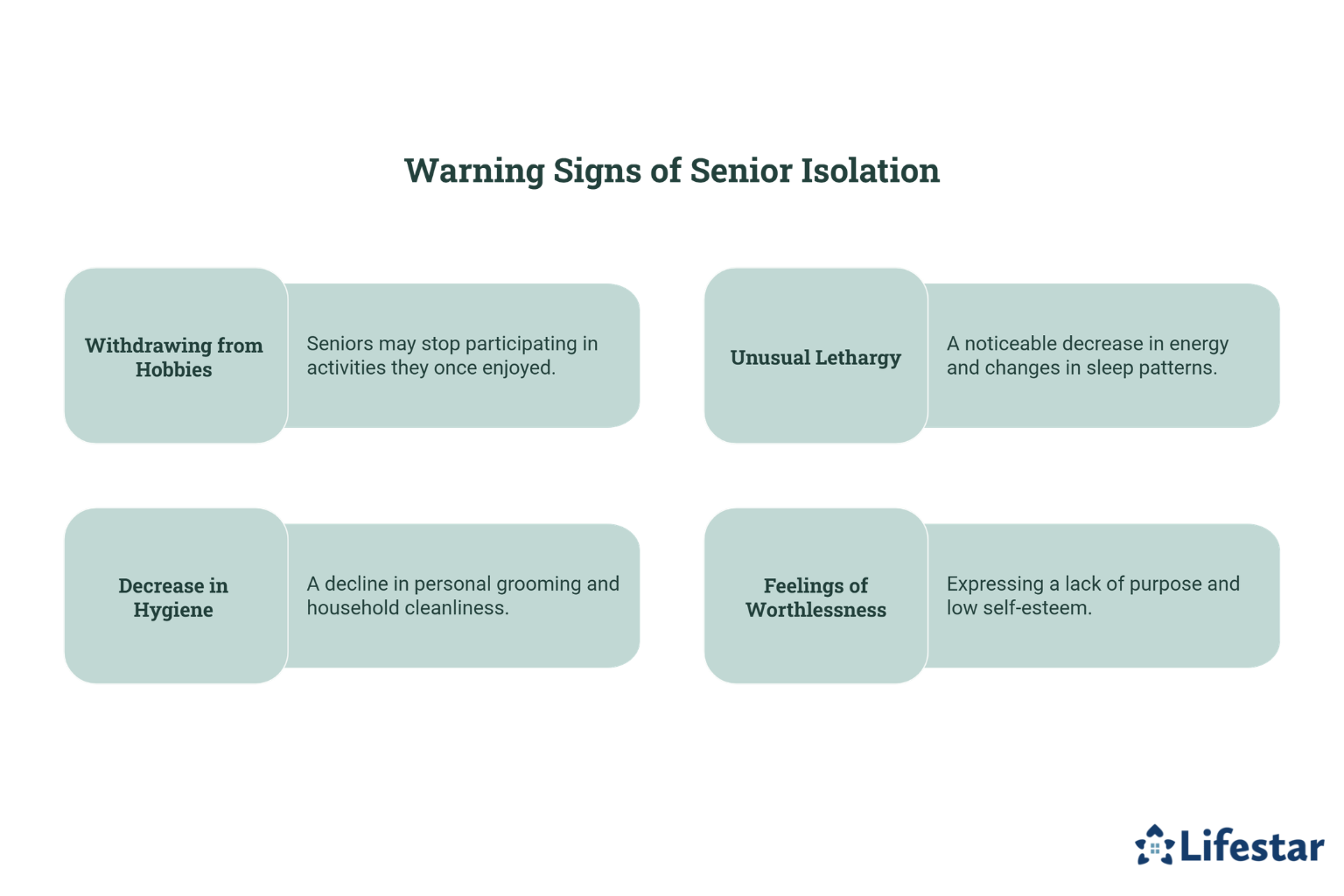
Seniors often exhibit clear behavioral changes when isolation begins to take a toll on their mental wellbeing. Look for these common indicators:
- Withdrawing from favorite hobbies or community groups
- Unusual lethargy or sudden changes in sleeping patterns
- A noticeable decrease in personal hygiene or household upkeep
- Expressing feelings of worthlessness or a lack of purpose
How Does Loneliness Impact Cognitive Function in Older Adults?
Extended periods of limited social interaction can significantly accelerate cognitive decline in aging individuals. Without regular conversation and mental stimulation, seniors face a higher risk of experiencing memory issues and decreased problem-solving abilities. A companion provides the consistent interactive engagement necessary to keep the mind sharp and focused.
If you have a senior loved one who needs help maintaining a high quality of life while aging in place, reach out to Lifestar Home Care, a leading provider of home care Oklahoma City families can trust. Our caregivers help seniors focus on healthy lifestyle habits such as eating nutritious foods, exercising regularly, and maintaining strong social ties, and we offer mentally stimulating activities that can boost cognitive health and delay the onset of dementia.
Why Is Emotional Support Crucial for Aging Individuals?
Navigating the lifestyle changes associated with aging often brings feelings of grief, frustration, or anxiety as independence levels shift. Having a reliable friend to talk to helps seniors process these complex emotions in a healthy, constructive way. Regular companionship fosters a deep sense of purpose, ensuring older adults feel valued, heard, and emotionally secure in their own homes.
Respite and overnight home care can be wonderful solutions for Oklahoma City families when their aging loved ones need companionship and socialization a few hours a week or just need minor assistance with daily household tasks. Our caregivers can encourage your loved one to eat well, exercise regularly, get plenty of mental and social stimulation, and focus on other lifestyle factors that promote longevity. At Lifestar Home Care, we thrive on helping seniors maintain their independence while living in the comfort of home.
What Role Do Companion Caregivers Play in Everyday Activities?
Companion caregivers step in to make daily life more manageable and enjoyable without taking away a senior’s autonomy. They typically assist by:
- Engaging in light conversations, reading, or playing mentally stimulating games
- Accompanying seniors on neighborhood walks or social outings to encourage physical mobility
- Helping with collaborative meal preparation to ensure regular nutritious eating habits
- Organizing schedules and providing friendly reminders for daily routines
Whether you need respite from your caregiving duties or your aging loved one needs Oklahoma City 24-hour care, Lifestar Home Care can meet your family’s care needs. Our dedicated caregivers are available around the clock to provide transportation to doctor’s appointments, ensure seniors take their prescribed medications, and help with a variety of tasks in and outside the home. Lifestar Home Care can be your trusted partner in caregiving for your aging loved one. Contact one of our experienced Care Managers today to learn more about our reliable in-home care services.
Frequently Asked Questions
How do you introduce a companion to a resistant senior?
+
Start by framing the companion as a friendly visitor or hobby partner rather than an official caregiver. Encourage short casual visits initially so they can build a natural pressure-free rapport over time.
What’s the difference between a companion and a housekeeper?+
A housekeeper primarily focuses on deep cleaning and maintaining the physical condition of the residence. A companion prioritizes social interaction, emotional support, and shared recreational activities with the senior.
How often should a senior receive companionship visits?
+
The frequency depends entirely on the senior’s individual social needs, personality, and current living situation. Many families find two to three visits per week provide a healthy balance of social engagement and independent time.
Can family members serve as the primary companions?
+
Family members absolutely provide vital social connections, but balancing this with personal and professional responsibilities can sometimes lead to schedule conflicts. Dedicated professional companions supplement family visits, ensuring seniors enjoy consistent stress-free social interaction.