Table of Content
- 1 Why Stroke Recovery Often Works Better at Home
- 2 How Home Care Service Helps in Stroke Recovery
- 3 Personalized Daily Support for Physical Recovery
- 4 Emotional Stability and Mental Wellbeing
- 5 Managing Complex Needs and Ongoing Supervision
- 6 Cognitive Support and Memory Challenges
- 7 Benefits Families Notice Most Often
- 8 Home Care vs. Facility-Based Recovery
- 9 Supporting Family Caregivers During Stroke Recovery
- 10 Long-Term Independence and Quality of Life
- 11 Stroke Recovery Support with Lifestar Home Care in Oklahoma City
- 12 Frequently Asked Questions
Recovering from a stroke isn’t just about physical healing—it’s about rebuilding confidence, routines, and independence in a safe and familiar environment. Many stroke survivors heal faster when care is consistent, personalized, and emotionally supportive. That’s why families increasingly turn to structured in-home support as a long-term recovery solution.
Why Stroke Recovery Often Works Better at Home
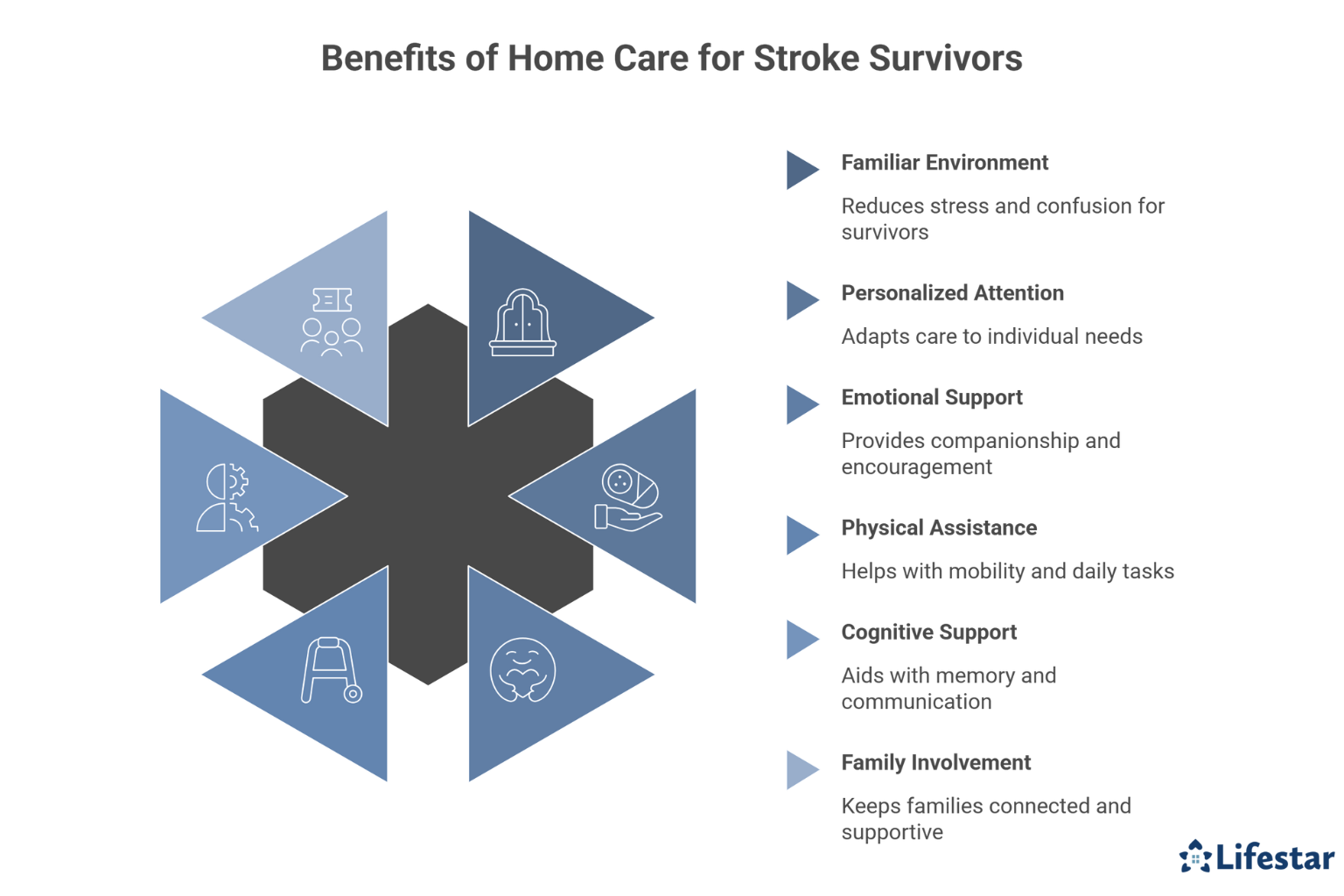
After a stroke, seniors often face mobility limits, speech challenges, and emotional changes. Being in a familiar setting reduces stress and confusion, which top-ranking healthcare sources consistently link with better recovery outcomes. With home care, stroke survivors receive one-on-one attention that adapts to their daily condition rather than following rigid schedules. This personalized approach helps them regain independence while maintaining dignity and comfort.
How Home Care Service Helps in Stroke Recovery
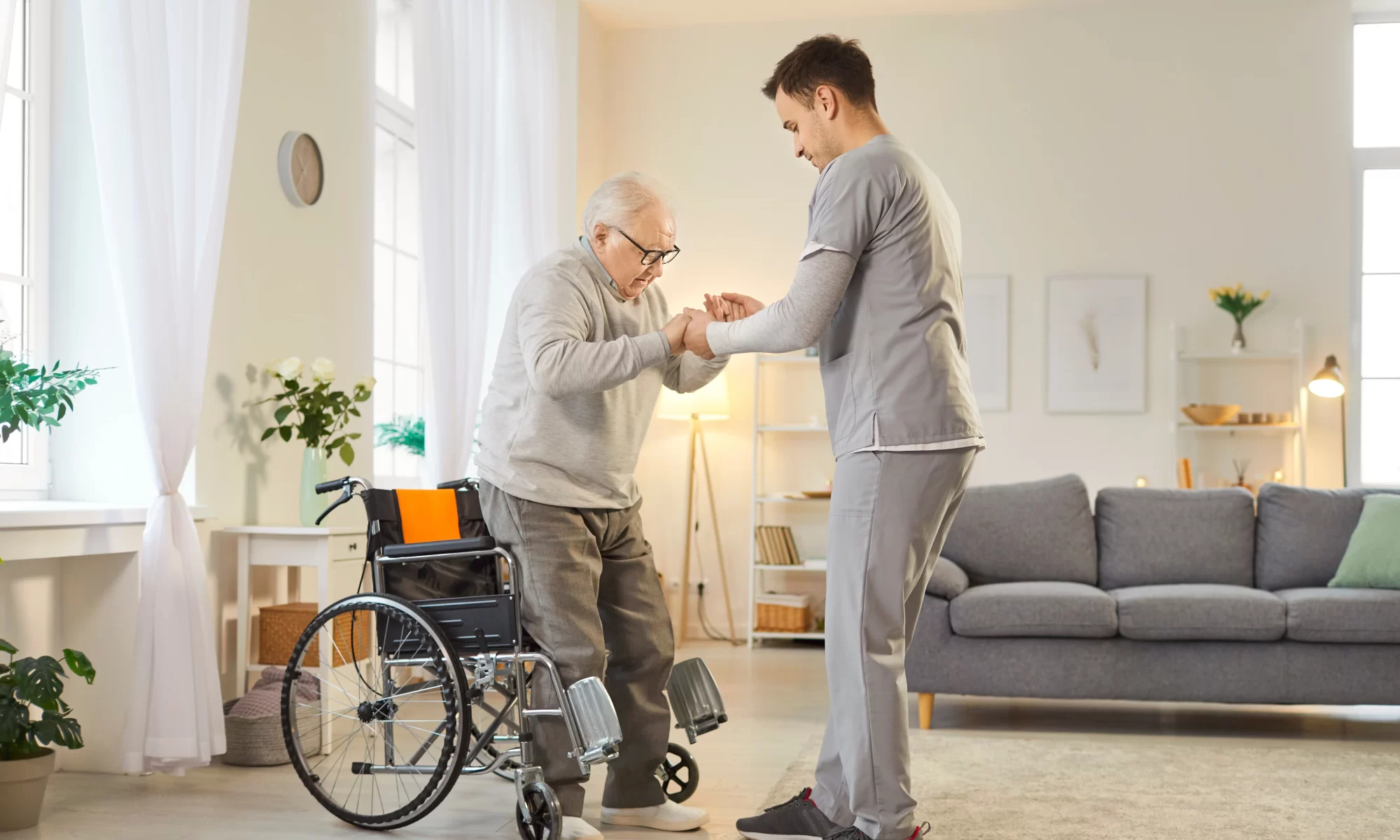
Home care services play a direct and practical role in supporting stroke survivors throughout recovery. With personalized assistance, caregivers help seniors follow rehabilitation routines, maintain daily structure, and stay safe at home. This support reduces hospital readmissions and allows recovery to progress in a familiar, low-stress environment. Caregivers assist with mobility, hygiene, medication reminders, and emotional reassurance, which are all critical during post-stroke healing. Most importantly, home care adapts as recovery progresses, offering flexible support without disrupting independence. Families also benefit from professional guidance, helping them feel confident while supporting their loved one’s long-term recovery goals.
Personalized Daily Support for Physical Recovery
Stroke recovery requires consistency with movement, balance, and daily routines. Professional caregivers can help seniors practice safe mobility, follow exercise plans recommended by therapists, and manage fatigue. This daily hands-on assistance reduces the risk of falls and setbacks. Families often find that structured hourly home care allows recovery support without overwhelming their loved one, especially during early or moderate stages of rehabilitation.
Emotional Stability and Mental Wellbeing
Emotional health is a major focus in top stroke-recovery content. Depression, anxiety, and frustration are common after a stroke. Caregivers can provide companionship, encouragement, and routine, all of which stabilize mood. Familiar surroundings combined with consistent human interaction often lead to better motivation and engagement in therapy. This emotional reassurance is difficult to replicate in institutional environments.
Managing Complex Needs and Ongoing Supervision
Some stroke survivors require constant monitoring due to weakness, swallowing issues, or risk of secondary strokes. In such cases, families explore 24-hour care to ensure around-the-clock safety. Continuous supervision can prevent medical emergencies, support medication schedules, and provide immediate assistance during mobility challenges, key factors highlighted by leading eldercare and rehabilitation sources.
Cognitive Support and Memory Challenges
Strokes can affect memory, attention, and decision-making. Structured routines and gentle cognitive engagement are essential for recovery. Caregivers can reinforce daily habits, assist with communication difficulties, and help seniors stay oriented. When stroke-related cognitive decline overlaps with memory loss, families may also benefit from specialized dementia care that focuses on patience, safety, and mental stimulation.
Benefits Families Notice Most Often
According to high-ranking caregiving and rehabilitation articles, families consistently report specific improvements when their loved ones receive care at home.
Key benefits include:
- Faster adjustment to post-stroke routines
- Reduced hospital readmissions
- Increased emotional comfort and confidence
- Better adherence to therapy and medication plans
These benefits contribute to long-term stability rather than short-term fixes.
Home Care vs. Facility-Based Recovery
| Aspect | In-Home Recovery | Facility-Based Care |
| Environment | Familiar and comfortable | Clinical and unfamiliar |
| Personal Attention | One-on-one | Shared among many seniors |
| Family Involvement | High | Limited |
| Emotional Comfort | Strong | Moderate |
This comparison reflects patterns cited across leading stroke and senior care resources.
Supporting Family Caregivers During Stroke Recovery
Stroke recovery affects the entire household. Family caregivers often experience burnout when balancing care needs, work, and emotional stress. Professional in-home support reduces this pressure, allowing families to focus on encouragement rather than constant supervision. Experts emphasize that supported caregivers provide better long-term outcomes for stroke survivors.
Long-Term Independence and Quality of Life
The ultimate goal after a stroke isn’t just survival but quality of life. Home-based support promotes gradual independence by allowing seniors to relearn daily activities at their own pace. This flexible, client-centered approach is frequently highlighted in top-ranking recovery guides as a key reason many stroke survivors thrive at home rather than in institutions.
Stroke Recovery Support with Lifestar Home Care in Oklahoma City
Recovering from a stroke requires consistent care, patience, and a structured daily routine. Lifestar Home Care provides compassionate support through personalized home care Oklahoma City services designed to help stroke survivors heal safely in the comfort of their own homes. Our trained caregivers assist with mobility, personal care, medication reminders, meal preparation, and daily exercises recommended by healthcare professionals. By creating customized care plans and offering one-on-one attention, we help seniors regain strength, improve independence, and experience a smoother recovery while giving families peace of mind.
Frequently Asked Questions
Is home care suitable for all stroke survivors?
+
Home care benefits many stroke survivors, but suitability depends on medical stability and level of assistance required.
How soon can home care start after a stroke?+
In many cases, home care can begin immediately after hospital discharge with proper care planning.
Does home care replace physical therapy?+
No, it supports therapy by helping seniors follow exercises and routines recommended by professionals.
Can home care prevent another stroke?+
Caregivers assist with medication reminders, diet routines, and monitoring, which may reduce risk factors.
How long do stroke survivors usually need home care?+
The duration varies widely and depends on recovery progress, overall health, and long-term goals.