Table of Content
Music therapy is a powerful evidence-based approach that uses music to address physical, emotional, and cognitive needs. For those living with dementia, it can be a particularly effective way to enhance their quality of life and manage symptoms.
Enhances Cognitive Function
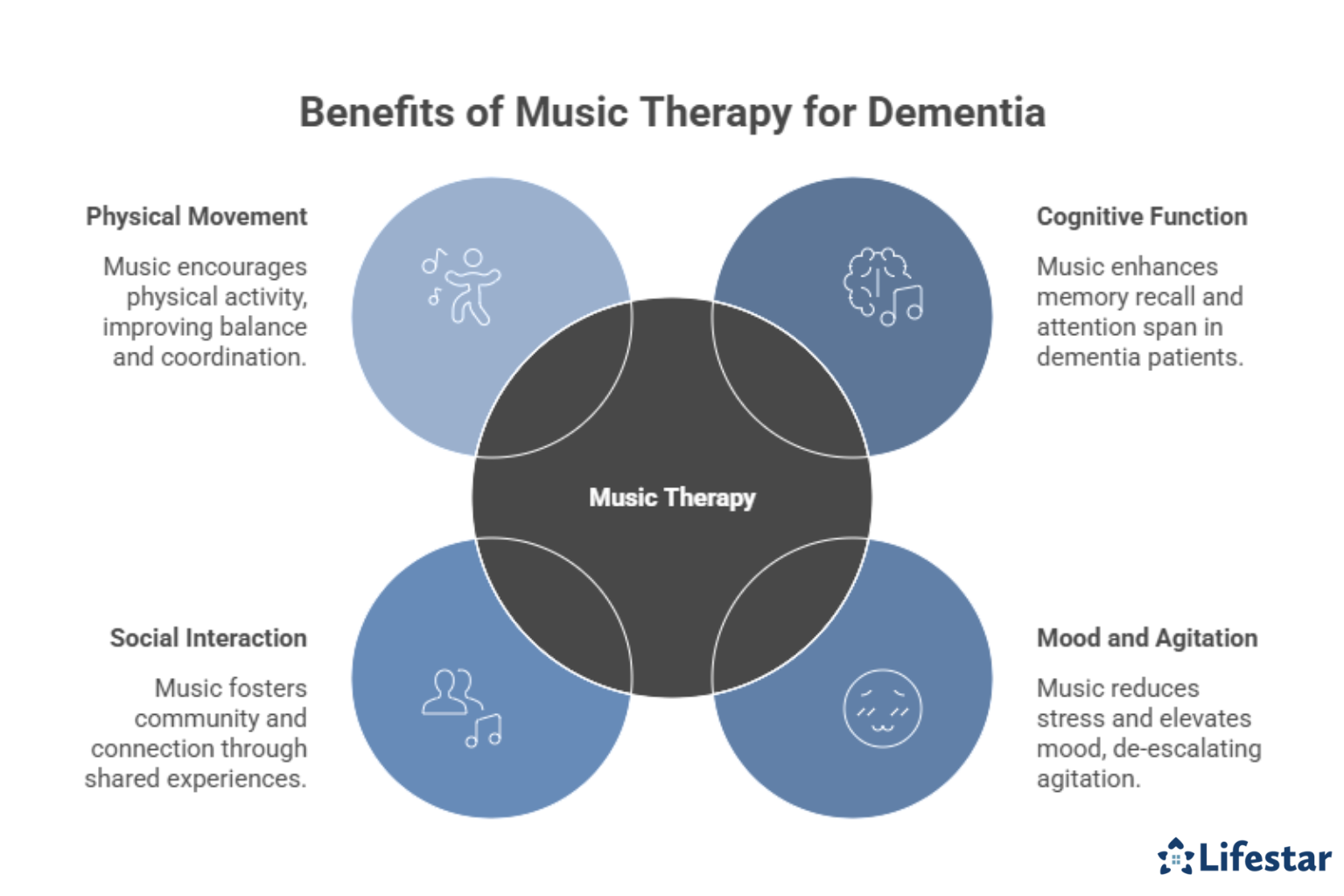
Music has a unique ability to access parts of the brain that may not be reachable through other forms of communication. For dementia patients, this can be incredibly beneficial. Engaging with familiar songs from their past can trigger memories and associations that were thought to be lost.
- Memory recall – Hearing a beloved song from their youth can help dementia patients reconnect with their personal histories and identities.
- Sustained attention – The structure and rhythm of music can increase focus and attention span, even if only for a short period.
- Cognitive stimulation – Actively listening to music or participating in musical activities, like singing or playing simple instruments, stimulates various parts of the brain, keeping it active.
Aging in place can present a few challenges for seniors living with dementia. However, they can still live independently at home with the help of professional Oklahoma City dementia care. Lifestar Home Care can provide their elderly loved ones with mental and social stimulation, timely medication reminders, assistance with meal prep, and much more. Our caregivers are available around the clock to help your loved one live a happier and healthier life.
Boosts Mood and Reduces Agitation
One of the most significant challenges for dementia patients and their caregivers is managing behavioral symptoms like anxiety, agitation, and depression. Music therapy offers a nonpharmacological way to address these issues, promoting a sense of calm and wellbeing.
- Reduces stress – Calming, gentle music can lower heart rate and blood pressure, reducing feelings of stress and anxiety.
- Elevates mood – Upbeat and cheerful music can trigger the release of endorphins, the body’s natural “feel-good” chemicals, leading to better mood and reduced feelings of depression.
- Decreases agitation – Engaging dementia patients in a musical activity can redirect their attention away from distressing thoughts or environmental triggers, de-escalating agitation.
Listening to music is just one of the many ways older adults can boost their wellbeing. If you have a senior loved one who needs help maintaining a high quality of life while aging in place, reach out to Lifestar Home Care, a leading provider of home care Oklahoma City families can trust. Our caregivers help seniors focus on healthy lifestyle habits such as eating nutritious foods, exercising regularly, and maintaining strong social ties, and we offer mentally stimulating activities that can boost cognitive health and delay the progress of dementia.
Encourages Social Interaction
As dementia progresses, individuals can become withdrawn and isolated, finding it difficult to connect with others. Music provides a natural bridge for social engagement, creating opportunities for positive interactions. Group music therapy sessions encourage participation in a shared enjoyable activity.
- Shared experience – Singing familiar songs together or playing instruments in a group creates a sense of community and belonging.
- Nonverbal connection – Music allows for connection beyond words. Dementia patients who have difficulty with language can still participate and feel connected through rhythm and melody.
- Family bonding – Sharing music with family members can create new positive memories and provide a meaningful way to spend time together.
Supports Physical Movement
Music and movement are intrinsically linked. The rhythm and tempo of a song can naturally inspire physical activity, which is crucial for maintaining mobility and overall health in dementia patients.
- Promotes movement – A lively tune can encourage toe-tapping, hand-clapping, or even dancing, which helps with coordination and motor skills.
- Boosts balance – Gentle rhythmic movements done to music can increase balance and reduce the risk of falls.
- Increases motivation – Music can make exercise feel less like a chore and more like a fun activity, increasing the motivation to move.
Certain age-related conditions can make it more challenging for seniors to age in place safely and comfortably, but Oklahoma City live-in care experts are available around the clock to help seniors manage their health. Whether your loved one is living with dementia or recovering from a stroke, you can trust the professional caregivers from Lifestar Home Care to enhance his or her quality of life. To create a customized in-home care plan for your loved one, call us today.