Table of Content
- 1 Moderation Matters for Senior Wellness
- 2 Potential Heart Health Benefits
- 3 Cognitive Risks & Alcohol Sensitivity
- 4 Medication Interactions to Consider
- 5 Social & Emotional Benefits of Occasional Wine Consumption
- 6 Practical Safety Tips for Seniors Enjoying Wine
- 7 Wine Use Considerations for Seniors
- 8 Frequently Asked Questions
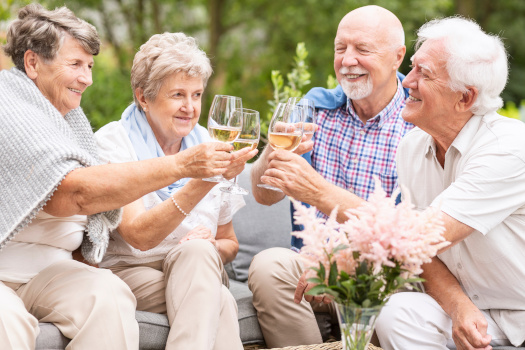
Enjoying a glass of wine remains a cherished part of life for many older adults, bringing comfort, social connection, and small moments of pleasure. For seniors, the idea of sipping wine can often be tied to memories, relaxation, and personal routines that support emotional wellbeing. Whether shared with family during gatherings or paired with a peaceful evening routine, wine continues to be a meaningful part of everyday living for many aging adults.
Moderation Matters for Senior Wellness
When seniors consider including wine in their lifestyle, understanding moderation becomes the most essential factor. Many families explore support options such as home care when their aging loved ones need help managing safe routines around alcohol, medications, and daily wellbeing. Having the right level of assistance ensures moderate enjoyment stays safe, especially as seniors balance health conditions, hydration, and nutritional needs. A mindful approach prevents overconsumption and promotes long-term wellness.
Potential Heart Health Benefits
Research has long suggested that moderate wine consumption may offer cardiovascular support, but seniors need to approach this carefully. Some aging adults experience increased relaxation, better mood, and social engagement when enjoying wine responsibly. Families balancing daily commitments sometimes rely on hourly care to ensure their loved ones maintain healthy routines, receive medication reminders, and avoid habits that might interfere with treatment plans. Maintaining the right balance helps seniors stay safe while benefiting from enjoyable activities like occasional wine consumption.
Cognitive Risks & Alcohol Sensitivity
As people age, the body processes alcohol more slowly, increasing risks such as dizziness, confusion, dehydration, and impaired judgment. Seniors living with cognitive decline, dementia, or memory challenges may experience stronger reactions even to small amounts of wine. When families need consistent guidance managing these risks, specialized Alzheimer’s care can provide a safer environment, supporting hydration, daily nutrition, and appropriate routines. Cognitive safety always comes first, especially when alcohol is present in the home.
Medication Interactions to Consider
Many seniors take medications for heart disease, blood pressure, sleep, pain, or chronic illness that may interact negatively with wine. Even mild alcohol consumption can intensify side effects such as drowsiness, lightheadedness, or digestive discomfort. Some combinations may reduce medication effectiveness altogether. When families need close monitoring to ensure safe routines, receiving long-term 24-hour care makes it easier to track medications, hydration, and dining habits. Understanding how alcohol interacts with prescription medicines helps seniors avoid preventable health risks.
Social & Emotional Benefits of Occasional Wine Consumption
For many seniors, enjoying wine has less to do with alcohol and more to do with emotional connection. Sharing a glass during meals, celebrations, or quiet evenings can boost mood, reduce feelings of loneliness, and strengthen relationships. Staying socially active helps older adults maintain better cognitive health, emotional balance, and daily motivation. A thoughtful routine that includes enjoyable beverages, safe surroundings, and healthy companionship can greatly enhance quality of life.
Practical Safety Tips for Seniors Enjoying Wine
Creating a safe environment for seniors who choose to enjoy wine is essential for ongoing wellbeing. Small daily habits support a balanced lifestyle without eliminating the joy of occasional relaxation.
- Use smaller glass sizes to naturally control portion amounts.
- Hydrate with one full glass of water before sipping wine.
- Choose low-alcohol options to reduce health risks.
- Avoid drinking when tired, dehydrated, or hungry.
- Pair wine with nutritious snacks to avoid dizziness.
- Track how the body reacts to small amounts over time.
- Avoid wine on days with new medications.
- Drink only when surrounded by supportive family or companions.
Wine Use Considerations for Seniors
| Factor | Potential Benefit | Potential Risk |
| Heart Health | Increased circulation | Blood pressure fluctuations |
| Social Engagement | Better mood & connection | Over-relaxation or fatigue |
| Cognitive Impact | Enjoyment & sensory stimulation | Memory decline or confusion |
| Medication Interactions | None when monitored properly | Dangerous side effects or reduced effectiveness |
| Mobility | Relaxed muscles | Falls or balance issues |
Frequently Asked Questions
Is wine safe for seniors to drink?
+
Wine may be safe in small amounts, but seniors should consider health conditions and medications before drinking. Moderation and monitoring are essential for safety.
How much wine is considered moderate for older adults?+
Generally, one small glass per day is considered moderate, but every senior’s health needs are different. Consulting a doctor can help you determine what’s safe individually.
Can wine affect senior medications?+
Yes, wine can interact with many common prescriptions. Seniors should always discuss alcohol use with their healthcare provider to avoid harmful effects.
Does wine help seniors sleep better?+
While wine may create drowsiness, it can disrupt sleep quality later in the night. Seniors experiencing sleep issues should consider non-alcoholic alternatives.
Are there healthier alternatives to wine?+
Yes, non-alcoholic wines, sparkling juices, herbal teas, and flavored water provide similar sensory enjoyment without risks. These options support hydration and wellbeing.