Table of Content
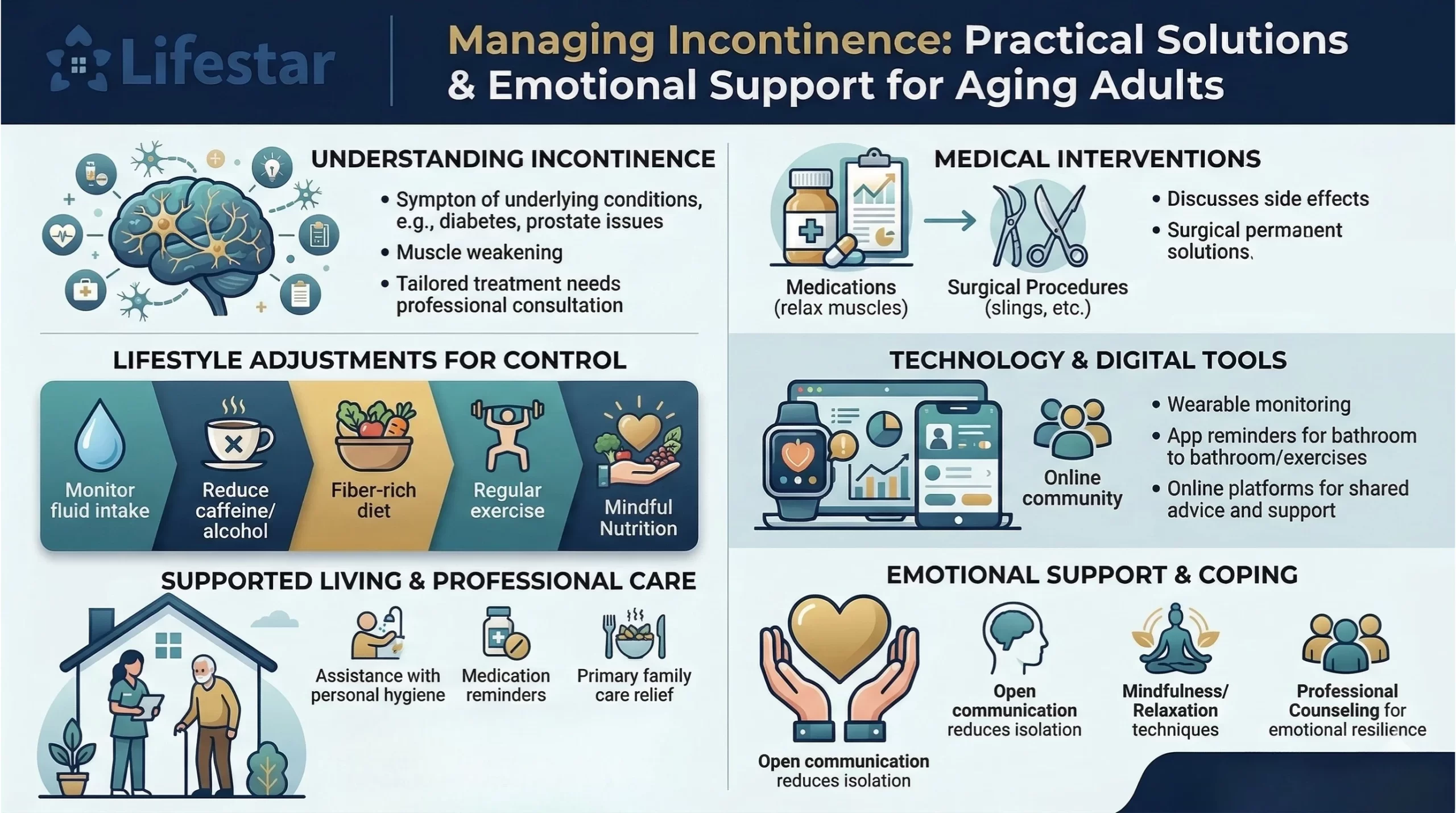
Incontinence isn’t a disease but a symptom of various underlying conditions. It occurs when the bladder muscles weaken, leading to involuntary urine leakage. Common causes of senior incontinence include medical conditions such as diabetes and prostate problems.
Understanding the root cause of incontinence is crucial for effective management. Consulting healthcare professionals can help seniors identify the specific type and cause, paving the way for tailored treatment plans.
The emotional impact of incontinence shouldn’t be underestimated. Many individuals experience embarrassment or social anxiety, which can exacerbate the issue. Addressing these feelings is an integral part of comprehensive care.
Lifestyle Adjustments for Better Control
Simple lifestyle changes can significantly enhance incontinence management. Monitoring fluid intake is a practical first step. It’s essential to stay hydrated, but overconsumption, especially of caffeine or alcohol, can aggravate symptoms.
A balanced diet rich in fiber can also aid in regular bowel movements, reducing pressure on the bladder. Incorporating pelvic floor exercises, such as Kegels, strengthens the muscles supporting bladder control.
Regular exercise not only benefits overall health but also helps with maintaining a healthy weight, reducing strain on the bladder. Adopting these habits may lead to noticeable enhancement in managing incontinence.
If your loved one needs help managing incontinence or another health concern, consider hiring a professional caregiver. Seniors can face a variety of challenges as they age, many of which can be mitigated with the help of professional in-home caregivers who provide high-quality senior care. Encouraging practices to prevent Lou Gehrig’s disease in aging adults can further enhance their long-term health and quality of life. Trust Lifestar Home Care to help your elderly loved one age in place safely and comfortably.
Medical Treatments & Interventions
For those seeking additional solutions, medical treatments offer various options. Medications can relax bladder muscles or increase capacity, providing relief for many seniors.
Surgical interventions are available for severe cases, providing more permanent solutions. Procedures vary from minimally invasive slings to more complex surgeries, depending on the individual’s needs.
It’s important to discuss potential side effects and outcomes with a healthcare professional before deciding on any treatment. A well-informed decision ensures the best results and minimizes risks.
If you’re the primary family caregiver for a senior loved one living in Oklahoma City, live-in care is available if your loved one’s health has become too difficult to manage without professional expertise. At Lifestar Home Care, we take measures to help seniors prevent illness and injury by assisting with exercise and mobility, preparing nutritious meals, helping with bathing and other personal hygiene tasks, and much more.
Leveraging Technology for Assistance
Modern technology offers innovative tools to aid incontinence management. Wearable devices can monitor bladder activity, alerting individuals to potential issues before they arise.
Smartphone apps provide reminders for bathroom visits or pelvic exercises, helping seniors maintain routines. These tools make it easier to integrate healthy habits into daily life without added stress.
Furthermore, online communities and platforms offer support and advice, connecting individuals facing similar challenges. Sharing experiences and solutions fosters a sense of community and empowerment.
Emotional Support & Coping Strategies
Coping with incontinence requires emotional resilience and support. Open communication with loved ones reduces feelings of isolation and embarrassment. They can provide encouragement and understanding, which are vital for overcoming daily challenges.
Mindfulness and relaxation techniques can alleviate stress, positively impacting bladder control. Practicing yoga or meditation fosters a calm mind and relaxed body, benefiting overall health.
Seeking professional counseling offers additional support, especially for those facing emotional challenges. Therapists can provide coping strategies and foster a positive outlook, which is crucial for long-term management.
Older adults living with incontinence or other age-related issues can benefit from professional in-home care. If you have a senior loved one who needs help maintaining a high quality of life while aging in place, reach out to Lifestar Home Care, a leading provider of home care Oklahoma City families can trust. Our caregivers help seniors focus on healthy lifestyle habits such as eating nutritious foods, exercising regularly, and maintaining strong social ties, and we offer mentally stimulating activities that can boost cognitive health and delay the onset of dementia. Call us today to create a customized in-home care plan.