
Caregivers can manage stress and avoid burnout by prioritizing self-care, seeking support from others, and setting realistic boundaries. Caregiving is a demanding role that often requires immense emotional and physical energy, making it essential to have strategies in place to maintain your own wellbeing. By understanding the signs of burnout and taking proactive steps, you can sustain your health while caring for your senior loved one.
What Are the Signs of Caregiver Burnout?
Recognizing the early warning signs of burnout is the first step toward prevention. Burnout doesn’t happen overnight. It’s a gradual process that occurs when caregivers push themselves beyond their physical and emotional limits without adequate rest. Common symptoms include:
- Emotional exhaustion – Feeling drained, irritable, or hopeless
- Physical fatigue – Experiencing constant tiredness, sleep disturbances, or changes in appetite
- Withdrawal – Pulling away from friends, family, and activities you once enjoyed
- Health issues – Getting sick more often due to a weakened immune system
- Loss of interest – Feeling a lack of empathy or resentment toward the person you’re caring for
If you’re feeling overwhelmed by your caregiving responsibilities, you don’t have to manage everything on your own. The type of home care Oklahoma City seniors need can vary. Some need assistance a few hours a day, while others require more extensive around-the-clock assistance. At Lifestar Home Care, we tailor our care plans based on each senior’s individual care needs, and the plans can be adjusted at any time. We are a trusted provider of respite and 24-hour care, and we also offer specialized Alzheimer’s, dementia, Parkinson’s, and stroke care for seniors.
How Can Setting Boundaries Reduce Stress?
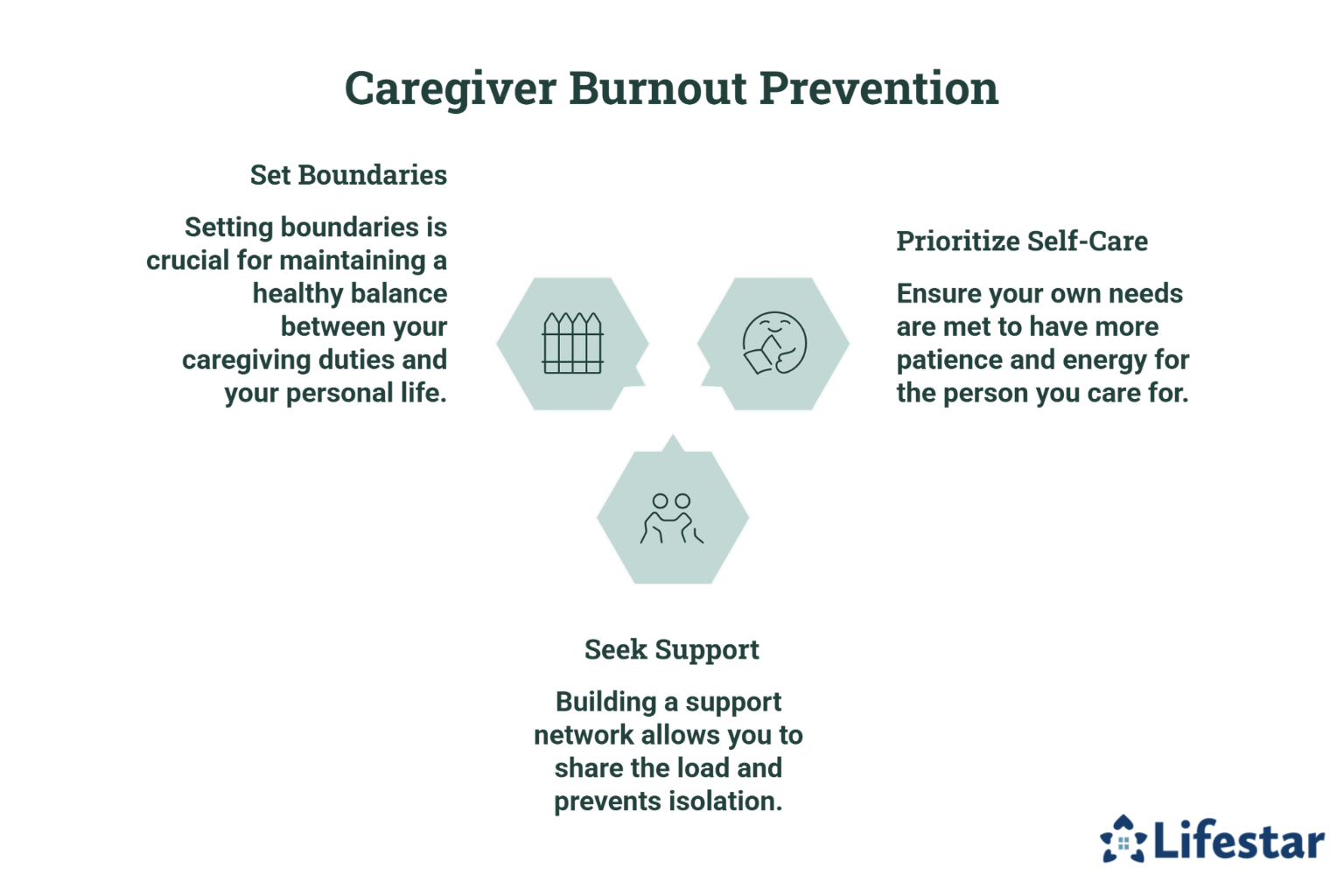
Setting boundaries is crucial for maintaining a healthy balance between your caregiving duties and your personal life. Without clear limits, caregiving can easily consume every aspect of your day, leaving no time for rest or personal interests. Effective boundary setting involves:
- Learning to say no – You don’t have to agree to every request or attend every event. It’s okay to decline additional responsibilities when you’re already at capacity.
- Defining your availability – Communicate clear times when you’re available to help and times when you’re off duty, barring emergencies.
- Delegating tasks – Allow others to help with specific tasks, such as grocery shopping or cleaning, rather than trying to do everything yourself.
Why Is Asking for Help Essential for Caregivers?
Trying to handle everything alone is a primary driver of burnout. Asking for help isn’t a sign of weakness. It’s a necessary strategy for sustainable caregiving. Building a support network allows you to share the load and prevents isolation.
- Support groups – Joining a caregiver support group connects you with people who understand your challenges, offering both emotional validation and practical advice.
- Professional counseling – Speaking with a therapist can provide a safe space to express frustrations and learn coping mechanisms for stress.
- Respite care – Utilize professional respite services or ask family members to step in for a few hours or days so you can take a break.
If you’re the primary caregiver for a senior family member in Oklahoma City and you need respite, live-in, or overnight care, Lifestar Home Care is here to help. Our dedicated caregivers are trained to assist older adults with a wide variety of everyday tasks, offering family caregivers the chance to focus on other personal responsibilities or take a break to prevent burnout.
What Self-Care Strategies Are Most Effective?
Self-care isn’t a luxury. It’s a vital part of being an effective caregiver. When your own needs are met, you have more patience and energy for the person you care for. Simple, consistent actions often yield the best results.
- Prioritizing sleep – Aim for a regular sleep schedule to ensure your body and mind can recover.
- Healthy eating and exercise – Nutritious meals and short daily walks can significantly boost your energy levels and mood.
- Daily “me time” – Dedicate at least 15 to 30 minutes a day to something you enjoy, whether it’s reading, gardening, or simply drinking coffee in silence.
- Mindfulness and relaxation – Techniques like deep breathing, meditation, or yoga can lower cortisol levels and reduce immediate feelings of anxiety.
When Should You Seek Professional Medical Advice?
If your stress levels become unmanageable or you begin to experience severe physical or mental health symptoms, it’s time to see a doctor. Caregivers are at higher risk for depression and anxiety, and ignoring these conditions can lead to long-term health problems. You should seek help if you experience:
- Persistent feelings of sadness or hopelessness that last for more than two weeks
- Unexplained physical pain, such as chronic headaches or digestive issues
- Thoughts of harming yourself or the person you’re caring for
- Inability to function in your daily life due to overwhelming fatigue or anxiety
Whether you need respite from your caregiving duties or your aging loved one needs the best Oklahoma City 24-hour care, Lifestar Home Care can meet your family’s care needs. Our dedicated caregivers are available around the clock to provide transportation to doctor’s appointments, ensure seniors take their prescribed medications, and help with a variety of tasks in and outside the home. To learn more about our reliable, compassionate in-home care services, contact us today
Frequently Asked Questions
What’s the difference between stress and burnout?
+
Stress involves too much pressure that demands too much of you physically and mentally, while burnout is about not having enough—feeling empty, devoid of motivation, and beyond caring.
How often should a caregiver take a break?
+
Ideally, caregivers should take small breaks daily (even just 15 minutes) and longer breaks, such as a day off or a weekend away, on a regular basis to recharge.
Can caregiving cause physical illness?
+
Yes. The chronic stress associated with caregiving can weaken the immune system and increase the risk of high blood pressure, heart disease, and diabetes.
Is it normal to feel angry at the person I care for?
+
Yes. Feelings of anger, frustration, and resentment are common and normal reactions to the high demands of caregiving. Acknowledging these feelings is the first step to managing them.
Where can I find affordable respite care?
+
You can look for local nonprofit organizations, Area Agencies on Aging, or volunteer groups that often provide low-cost or sliding-scale respite services.