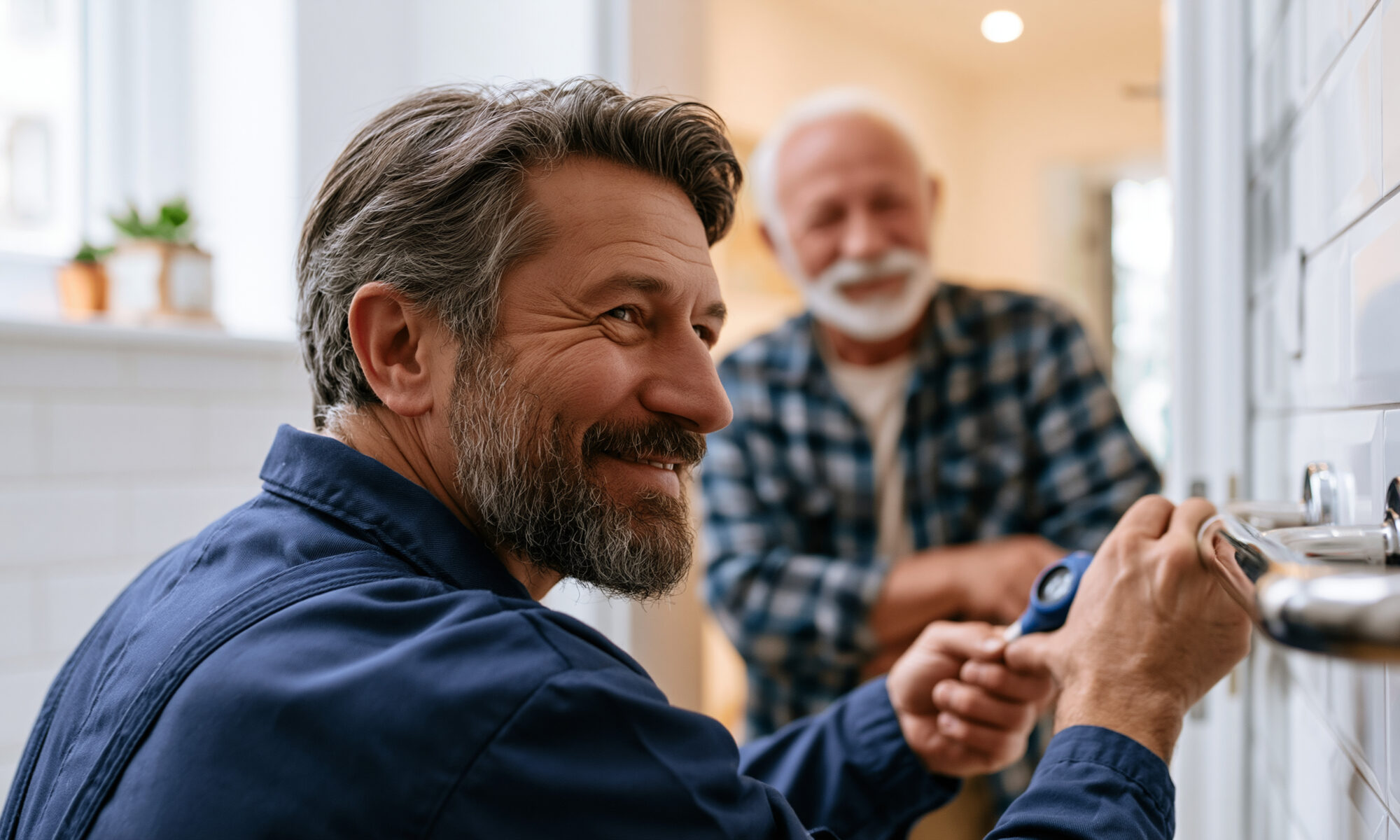
Adapting a bathroom for safe in-home care involves installing grab bars, improving flooring, optimizing lighting, adjusting fixtures for accessibility, and organizing essentials within easy reach. These modifications reduce fall risk and support greater independence for individuals receiving care at home.
Bathrooms are one of the highest-risk areas in the home for falls and injuries, particularly for older adults or those with limited mobility. A few targeted modifications can make an enormous difference in both safety and dignity. Here’s a practical framework to guide you through the process.
What Structural Safety Features Should Be Installed First?
Structural modifications form the foundation of a safe bathroom environment:
- Grab bars – Install these near the toilet, inside the shower, and along the tub edge. Ensure they’re anchored into wall studs to support body weight.
- Nonslip flooring – Apply nonslip mats or adhesive strips to wet areas. Consider replacing smooth tile with textured alternatives.
- Raised toilet seat – A raised seat with armrests reduces strain when sitting and standing.
- Threshold ramps – If there’s a step into the shower or bathroom, a small ramp eliminates a common tripping hazard.
One of the most challenging tasks of helping an elderly relative age in place safely and comfortably is researching agencies that provide home care Oklahoma City families can trust. Turn to Lifestar Home Care for reliable, high-quality in-home care for aging adults. We offer 24-hour care for seniors who require extensive assistance, and we also offer respite care for family caregivers who need a break from their caregiving duties.
How Can the Shower or Tub Be Made Safer?
The shower and tub area requires the most attention, as wet surfaces and awkward movements increase fall risk significantly:
- Install a walk-in shower or roll-in shower if a full renovation is feasible.
- Add a fold-down shower bench or seat so your loved one can bathe while seated.
- Install a handheld showerhead on an adjustable slide bar for flexible control.
- Place a nonslip mat both inside and directly outside the shower.
What Lighting Adjustments Increase Bathroom Safety?
Poor lighting is a contributing factor in many bathroom accidents, especially during nighttime visits:
- Install bright overhead lighting that evenly illuminates the entire bathroom.
- Add motion-activated night lights along the path from the bedroom to the bathroom.
- Use contrasting colors on light switches and fixtures so they’re easy to locate.
- Ensure light switches are accessible from both a standing and seated position.
How Should Fixtures and Accessories Be Adjusted for Accessibility?
Small fixture changes can have a significant impact on daily ease and independence:
- Lever-style faucet handles are easier to operate than knobs, particularly for those with limited grip strength.
- Lowered or adjustable mirrors accommodate individuals in wheelchairs or those who cannot stand at full height.
- Move frequently used items such as soap, towels, and toiletries to reachable shelves or hooks below shoulder height.
- Soap dispensers mounted at counter height are preferable to bar soap, which can be slippery.
How Can the Bathroom Layout Be Organized to Support a Caregiver?
When a caregiver is assisting, the bathroom layout must also accommodate two people safely:
- Ensure there’s enough clear floor space (at minimum, 60 inches of turning radius) for a wheelchair or mobility aid.
- Position a sturdy stool or chair in the bathroom for the caregiver to use during longer routines.
- Keep emergency contact information visible and consider installing a call button or alert system within reach of the toilet and shower.
- Store supplies in a labeled organized caddy so caregivers can locate everything quickly without leaving your loved one unattended.
Some seniors need occasional assistance at home, and oftentimes the family members who take care of them need time away to run errands, take a nap, go to work, or take a vacation. Oklahoma City respite and overnight care experts from Lifestar Home Care are available on an as-needed basis, giving your family peace of mind that your loved one will remain safe and comfortable while you relax or focus on other important responsibilities.
Certain age-related conditions can make it more challenging for seniors to age in place safely and comfortably, but Oklahoma City 24-hour care experts are available around the clock to help seniors manage their health. Whether your loved one is living with dementia or recovering from a stroke, you can trust the professional caregivers from Lifestar Home Care to enhance his or her quality of life. We will work with you to create a customized home care plan that’s suited for your loved one’s unique needs. Call the Lifestar Home Care team today.
Frequently Asked Questions
What’s the most important bathroom modification for fall prevention?
+
Grab bars are consistently identified as the single most impactful safety modification, providing stable support during transitions like sitting, standing, and stepping in or out of the shower.
How much does it typically cost to adapt a bathroom for in-home care?
+
Costs vary widely depending on the scope of changes. Basic modifications like grab bars and nonslip mats can cost under $200, while a full walk-in shower conversion may range from $3,000 to $10,000 or more.
Do bathroom modifications need to be permanent?
+
Not necessarily. Many effective adaptations, such as portable raised toilet seats, removable grab bars, and suction-cup shower seats, are temporary and don’t require permanent installation.
Are there programs that cover the cost of bathroom modifications?
+
Yes. Various local aging services agencies, nonprofit organizations, and government programs offer grants or low-cost assistance for home modification projects. Eligibility requirements vary by location.
How do I know which modifications are right for my specific situation?
+
An occupational therapist can conduct a home safety assessment and provide personalized recommendations based on your loved one’s mobility, strength, and daily routines.