Table of Content
Occupational therapy plays a vital role in helping seniors maintain independence, comfort, and quality of life within their own homes. By focusing on practical strategies and tailored interventions, occupational therapists support seniors in meeting daily challenges more effectively while fostering a sense of confidence and safety. Below, we explore the essential ways occupational therapy enhances in-home senior care.
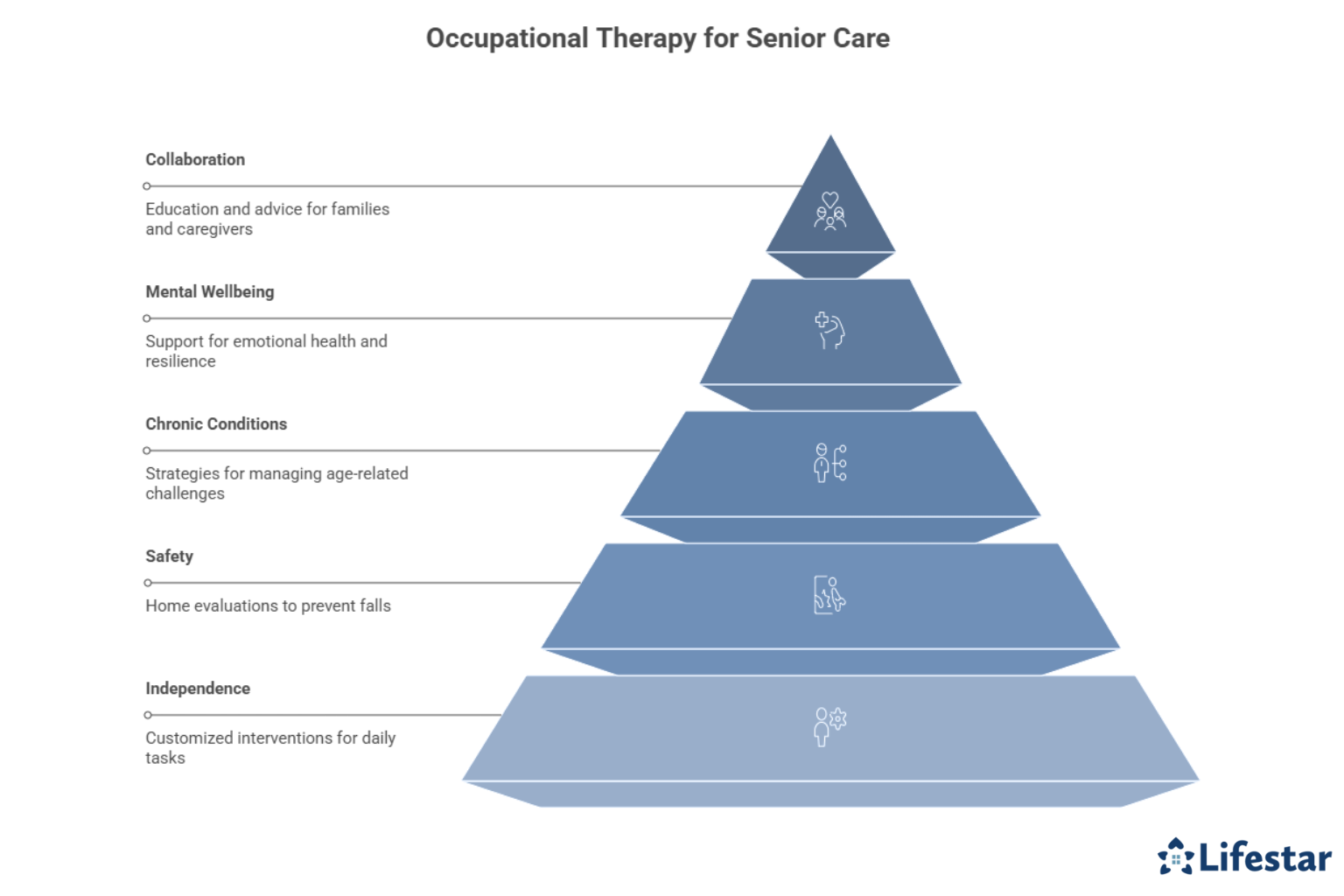
Promotes Independence through Customized Interventions
One of the primary goals of occupational therapy is to help seniors maintain their independence as they age. Therapists work closely with seniors to assess their unique needs, abilities, and goals, creating personalized plans to address daily challenges. For instance:
- Teaching seniors how to adapt routines like cooking, dressing, or grooming
- Introducing assistive tools, such as grab bars, reachers, or adaptive utensils, for easier household tasks
- Training seniors in energy-conservation techniques to complete activities without exhaustion
By tailoring solutions to each individual, occupational therapy empowers seniors to perform tasks independently, giving them a greater sense of autonomy.
Living independently is important for seniors who want to maintain a high quality of life. For some, this simply means receiving help with tasks that have become more challenging to manage over time. Even when families have the best intentions, they may not have the time to provide the care their elderly loved ones need and deserve. If your loved one needs help for a few hours a day or a few days a week, reach out to Lifestar Home Care, a trusted provider of hourly care Oklahoma City seniors can depend on.
Enhances Home Safety to Prevent Falls & Injuries
A crucial aspect of in-home senior care is ensuring the environment is safe and accessible. Occupational therapists conduct thorough home evaluations to identify potential hazards and make necessary modifications. Common recommendations include:
- Removing tripping hazards, such as loose rugs or uneven flooring
- Installing nonslip mats in bathrooms and kitchens
- Adding handrails, stair lifts, and heightened toilet seats where needed
Preventing accidents and falls not only safeguards seniors’ health but also reduces the risk of hospitalization, fostering a more secure living environment.
Manages Chronic Conditions and Age-Related Challenges
Many seniors face age-related conditions, such as arthritis, Parkinson’s disease, or stroke recovery. Occupational therapists play a vital role in helping seniors adapt to these challenges by:
- Teaching exercises to increase mobility, joint flexibility, and strength
- Offering strategies to minimize pain while performing daily tasks
- Developing routines that accommodate memory impairments, as seen in conditions like Alzheimer’s or dementia
By addressing physical, cognitive, and emotional aspects of chronic conditions, occupational therapy helps seniors better manage their health while staying at home.
There are a variety of age-related health conditions that can make it more challenging for seniors to live independently. Recognizing the warning signs of strokes in seniors is essential to ensuring timely care and preventing further complications. However, many of the challenges they face can be easier to address if their families opt for professional at-home care. You can rely on expertly trained caregivers to keep your loved one safe and comfortable while aging in place.
Supports Mental & Emotional Wellbeing
Aging at home can bring about feelings of isolation, anxiety, or depression. Occupational therapists recognize the importance of mental wellbeing and incorporate strategies to support emotional health. They may:
- Encourage hobbies or leisure activities that spark joy and engagement
- Suggest mindfulness and relaxation techniques to manage stress
- Work with families to create social connections and foster a sense of community
With the right support, occupational therapy helps seniors build resilience and maintain a positive outlook on life.
Works Collaboratively with Families & Caregivers
Occupational therapists also act as bridges between seniors and their families or caregivers. By providing education and practical advice, therapists can:
- Teach caregivers safe techniques for assisting with transfers or mobility
- Offer guidance on establishing routines to minimize conflict and reduce stress
- Recommend respite care strategies to support caregiver wellbeing
This collaborative approach not only ensures seniors receive consistent care but also strengthens the network of support around them.
Not every senior has the same care needs, which means they don’t all need the same type of home care. Oklahoma City families can rely on Lifestar Home Care to provide individualized care plans to meet their elderly loved ones’ unique care needs. Our caregivers help seniors focus on healthy lifestyle habits such as eating nutritious foods, exercising regularly, and maintaining strong social ties, and we offer mentally stimulating activities that can boost cognitive health and delay the onset of dementia. Trust Lifestar Home Care to provide high-quality compassionate professional care for your loved one. Call one of our friendly Care Managers today.